
Breathable Training Shirts That Actually Perform
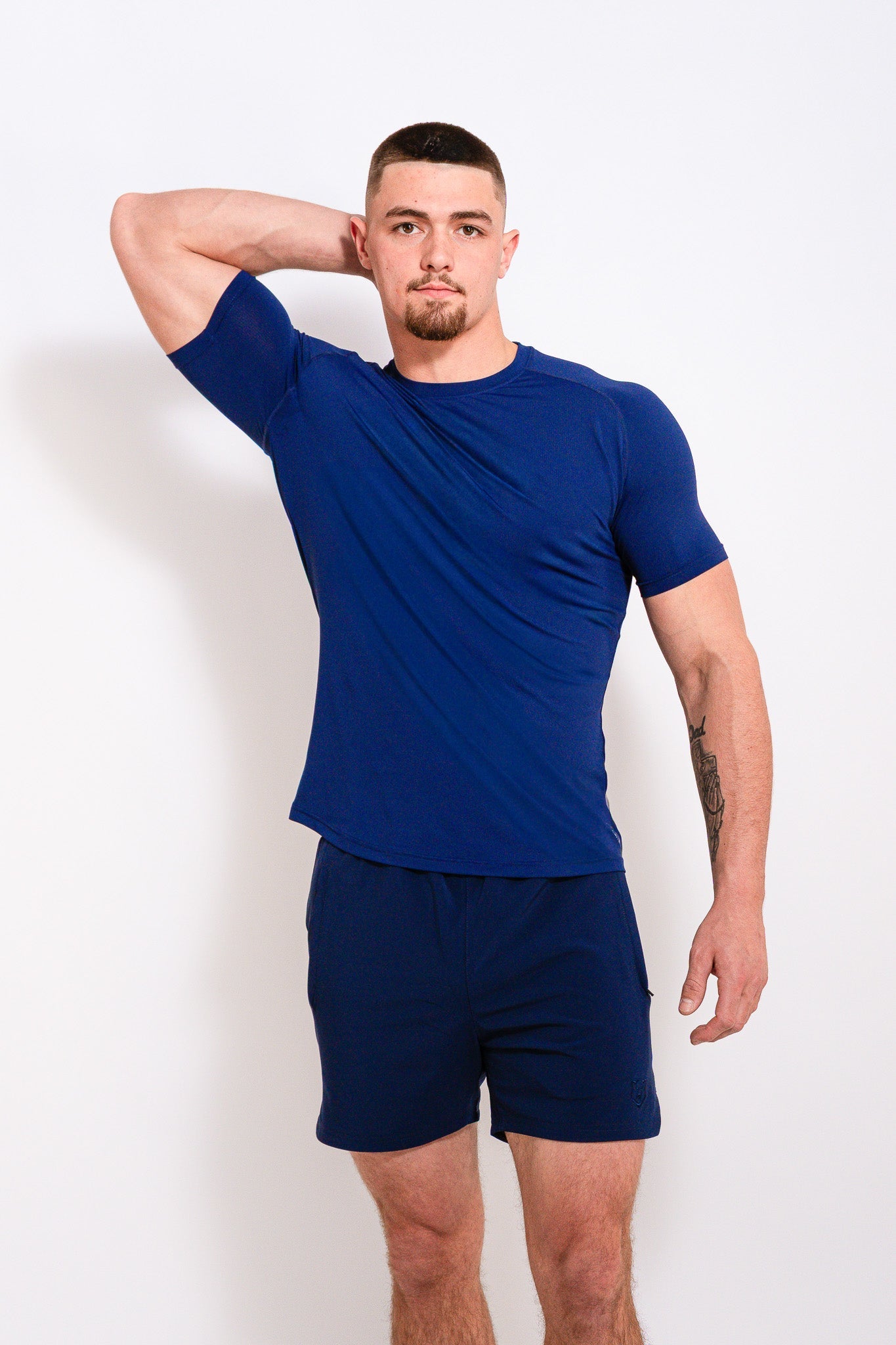
That heavy, damp T-shirt feeling halfway through a workout is enough to ruin the session. The best breathable training shirts solve that fast. They help manage heat, move sweat off your skin, and keep your fit looking clean from first set to post-gym coffee.
Not every performance top gets this right. Some shirts feel soft in the mirror and sloppy in motion. Others dry quickly but cling in the wrong places or look too technical to wear anywhere except the gym floor. If you want one shirt that can handle training and still work with the rest of your day, the details matter.
What breathable training shirts actually do
A breathable shirt is not just a thin shirt. Real breathability comes from how the fabric and construction work together. The goal is simple - let heat escape, reduce that sticky trapped feeling, and help sweat evaporate instead of sitting against your body.
That usually starts with moisture-wicking fabric. Instead of soaking up sweat like cotton, technical blends pull moisture away from the skin so it can spread across the surface and dry faster. Good ventilation matters too. Lightweight knits, mesh zones, and stretch fabrics with a more open structure can make a shirt feel cooler even during hard efforts.
The result is performance you notice right away. Less cling. Less overheating. Less adjusting your shirt between sets. It is a small difference that changes how focused you feel when the workout gets serious.
Why fabric matters more than marketing
A lot of shirts get labeled breathable just because they are made for exercise. That does not mean much on its own. Fabric is where the real performance starts.
Polyester blends are common for a reason. They are light, durable, and better than cotton at moving sweat. Add elastane or spandex and you get stretch that helps the shirt move with you instead of fighting your range of motion. That blend usually hits the sweet spot for lifting, conditioning, and everyday wear.
Nylon can feel smoother and slightly more premium against the skin. It often has a cleaner finish and a more elevated look, which works well if you care about a shirt that does more than just survive the gym. The trade-off is that some nylon-heavy shirts can hold heat a bit more than very airy polyester knits, depending on how they are built.
Cotton is where things get tricky. It feels soft, familiar, and relaxed, which is why people still reach for it. But once sweat builds up, cotton tends to stay wet longer and feel heavier. For low-intensity movement or rest-day wear, that may be fine. For tougher sessions, it usually falls behind.
Fit changes how a shirt breathes
Even the best fabric can feel wrong in the wrong cut. Breathability is not only about material. Fit affects airflow, comfort, and how the shirt performs once you start moving.
A shirt that is too tight can trap heat and show every patch of sweat. It may also restrict movement across the shoulders and chest, especially during pressing or pulling. On the other side, a shirt that is too loose can feel bulky, shift around during training, and lose that clean athletic shape.
The best middle ground for most people is an athletic fit that follows the body without squeezing it. You want room through the chest and shoulders, easy movement through the sleeves, and enough structure that it still looks sharp outside the gym.
That matters even more if you wear your training gear beyond training. A breathable top should not only perform under load. It should still hold its shape when the workout is done.
The features worth paying attention to
Some shirt details sound minor until you wear them for a full session. Then they become the reason one top stays in rotation and another ends up buried in a drawer.
Flat seams help reduce irritation, especially if you train longer or carry a backpack after the gym. Lightweight stretch makes a shirt feel less restrictive through dynamic movement. A slightly longer hem can improve coverage during overhead lifts without making the shirt look oversized. Side vents can help too, though they are more useful for certain cuts than others.
Odor resistance is another feature people underestimate. If you train often, a shirt that stays fresher between wear and wash has real value. But this is one of those areas where trade-offs come in. Some anti-odor treatments work well but can fade over time. Others add cost without making a huge difference for the average wearer.
A clean finish matters too. If the shirt looks overly technical, it limits where you can wear it. Minimal branding, sharp lines, and a modern cut give you more flexibility. That is where performance starts to blend with everyday style.
Breathable training shirts for different workouts
Not every workout asks for the same kind of shirt. What feels perfect for lifting may not be ideal for a long run or a high-sweat conditioning class.
For strength training, you want balanced performance. Breathability matters, but so do structure and stretch. A shirt with a stable fit and moderate compression-free support tends to work best. You want it to stay put and move cleanly through compound lifts.
For cardio or HIIT, lighter usually wins. The shirt should feel barely there, dry quickly, and avoid sticking once sweat builds. This is where more ventilated fabrics or looser airflow zones can make a noticeable difference.
For all-day wear, comfort and appearance become just as important as sweat management. A breathable shirt that feels soft, keeps its shape, and pairs easily with shorts or everyday pants gives you more use out of one piece. That versatility is a big part of what people want now. Not a separate wardrobe for every hour of the day. Just gear that keeps up.
Style still matters
Performance is the baseline. Style is what makes a shirt worth wearing again and again.
The best breathable training shirts look intentional. Clean colors. Minimal visual noise. A fit that reads athletic without trying too hard. That is what makes them easy to wear from a morning lift to a grocery run to meeting friends later.
This matters because most people are not shopping for gym gear in a vacuum. They want pieces that fit into real life. If a shirt performs well but looks like pure compression-lab energy, it is probably not getting worn as often. If it looks great but cannot handle sweat, it is not doing its job either.
The sweet spot is simple. Technical where it counts. Minimal everywhere else.
How to choose the right breathable training shirt
Start with how you actually train. If most of your sessions are high sweat and high intensity, prioritize lightweight moisture-wicking fabric and faster drying performance. If your routine is more strength-focused with some daily wear mixed in, go for a shirt with a little more structure and a premium hand feel.
Next, think about fit honestly. Not idealized fit. Real fit. If you size down for a tighter look, make sure it does not cost you comfort or ventilation. If you size up for ease, make sure the shirt still holds a clean shape.
Then consider how often you want to wear it outside the gym. If versatility matters, stick with simple colors and minimalist design. A strong training shirt should not need a costume change to work with the rest of your day.
This is also where quality pays off. Better breathable shirts usually keep their shape longer, recover better after washing, and feel more consistent over time. Cheap fabric often performs well for a few wears, then starts to sag, trap odor, or lose that smooth finish.
Where a better shirt changes the experience
A breathable top will not add weight to your lift or shave minutes off your run. But it changes the feel of training in ways that matter. You stay cooler. You move more freely. You spend less energy dealing with discomfort.
That is the difference between clothing that just covers you and clothing that supports the session. It is also why people start getting selective once they find a fit and fabric that works. One solid shirt can outlast a stack of average ones.
If you are building a sharper training wardrobe, this is a good place to start. Brands like NORDNFIT are leaning into that balance - performance first, style always in the mix. Because the best gear should feel ready for movement and still look right everywhere else.
Choose the shirt that keeps up when the pace rises and still feels like your style when the workout ends.
Read more
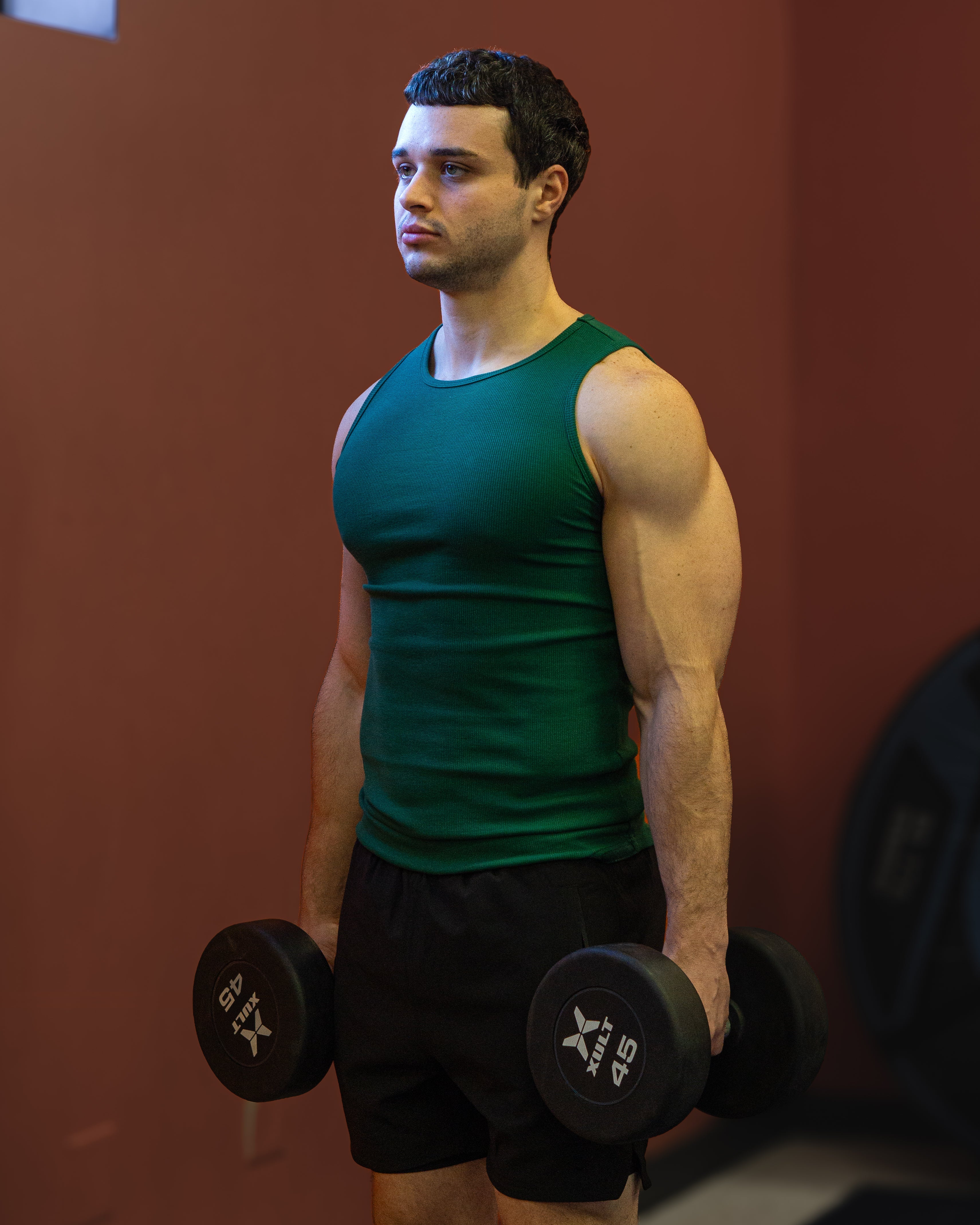
Find the best tops for lifting sessions with the right fit, fabric, and feel for comfort, movement, and clean gym-to-street style.
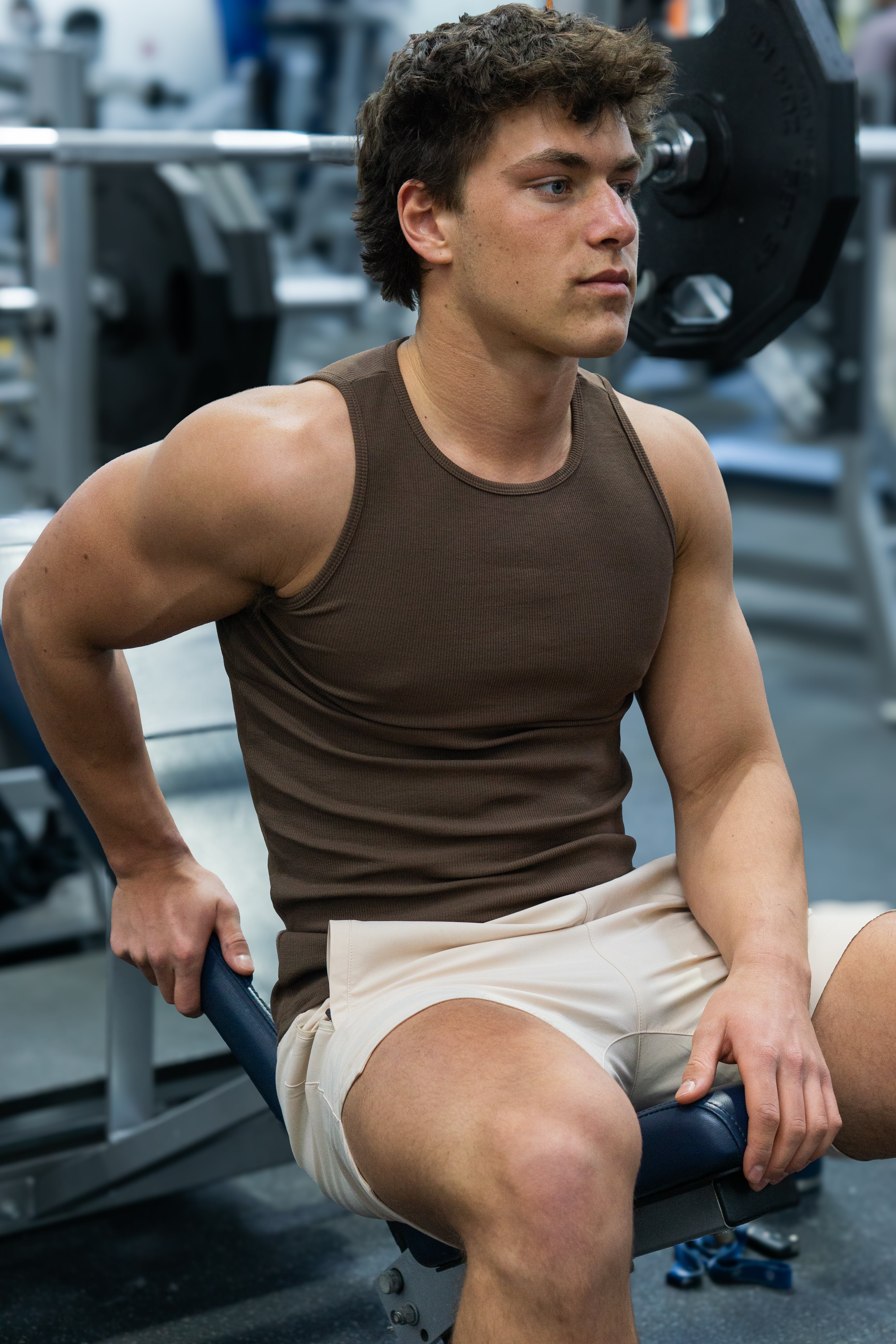
Learn how to build a training wardrobe that feels good, fits your routine, and moves from workouts to everyday wear without overbuying.