
Gym Tees vs Cotton Tees: What Wins?
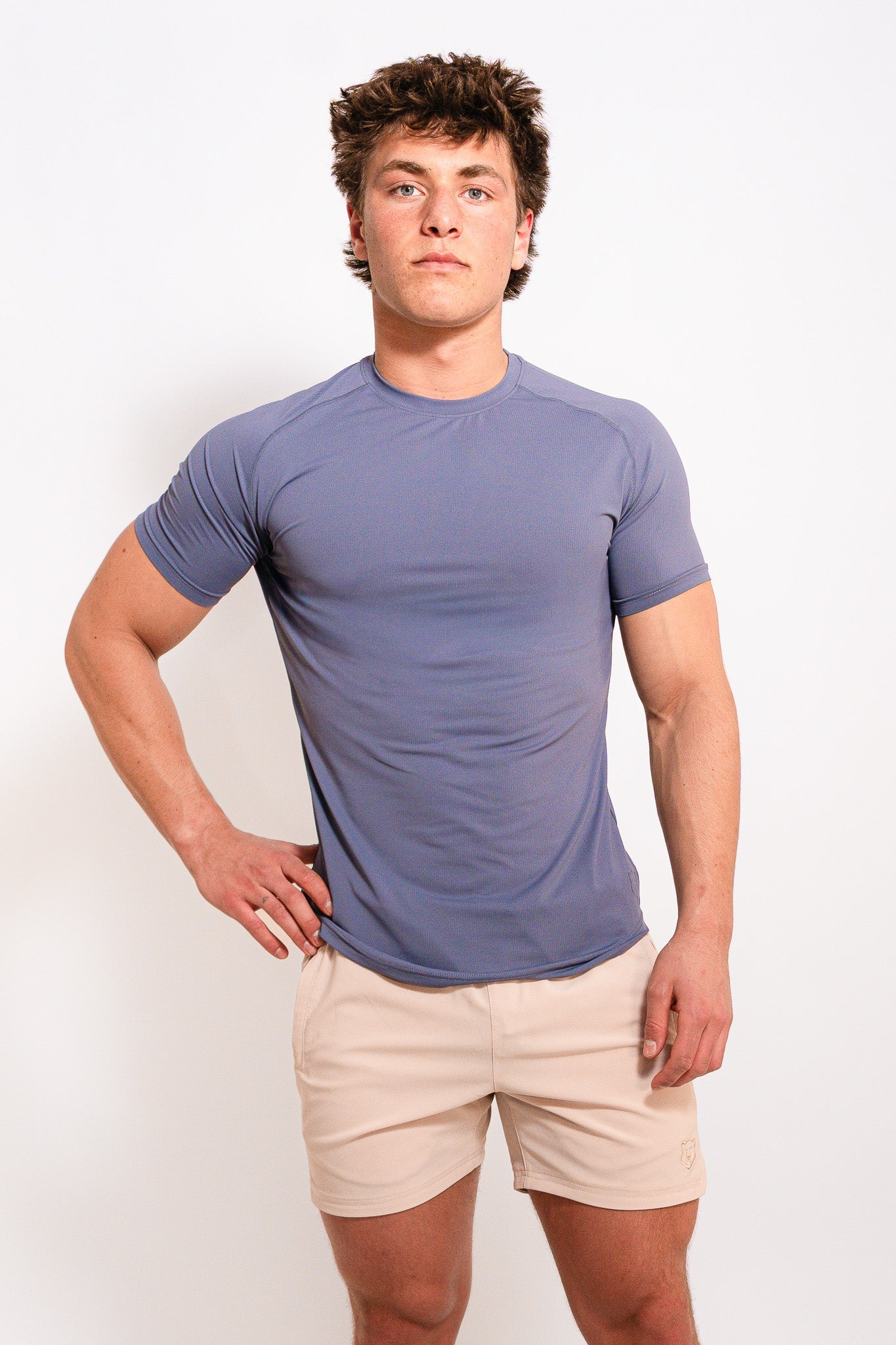
You feel it about 20 minutes into a workout. The shirt gets heavy. The fabric starts sticking across your back. Your first warm-up set felt fine, but now everything feels damp, stretched out, and slightly annoying. That is where the gym tees vs cotton tees question stops being theoretical and gets very real.
Both have a place. That is the honest answer. But they do different jobs, and if you train regularly, the difference shows up fast in comfort, performance, and how confident you feel once sweat is part of the equation.
Gym tees vs cotton tees: the real difference
A cotton tee is built around softness and familiarity. It is the default shirt most people have worn for years, and for low-effort days, it still works. A gym tee is built for movement. It is usually made from performance fabrics or blended materials designed to stretch, breathe, and dry faster.
That sounds simple, but the gap matters more than most people expect. When a shirt holds moisture, loses shape, or limits motion, you notice it in small ways all session long. Nothing dramatic. Just enough to make training feel less clean and less comfortable.
Gym tees are made to reduce those distractions. They are not magic. They just handle the demands of training better.
How cotton feels in the gym
Cotton wins early. It feels soft right away, it is breathable in a casual sense, and it has that broken-in comfort people like. If you are going for a walk, hitting a light stretch session, or running errands after a short lift, a cotton tee can feel easy and familiar.
The problem usually starts with sweat. Cotton absorbs moisture instead of moving it away from the body. Once that happens, the fabric tends to stay wet longer. The shirt can cling, sag, and feel heavier than it did when you started. If you are doing intense lifting, conditioning, or anything cardio-heavy, that comfort drops off fast.
There is also the shape issue. Repeated washing and training can make basic cotton tees twist, shrink, or lose structure. For an everyday shirt, maybe that is fine. For something you want to wear on repeat to train and then keep on for the rest of the day, it is less ideal.
Why gym tees feel different
A good gym tee is designed with one job in mind - keep you comfortable while you move. That usually means lightweight fabric, better stretch, and moisture management that keeps sweat from sitting on your skin.
The first thing most people notice is that the shirt stays lighter during a workout. Even when you are sweating, the fabric does not take on that soaked, heavy feel cotton gets. It dries faster too, which matters if you are moving from the gym to the rest of your day.
Fit is another big one. Gym tees often hold their shape better through the shoulders, chest, and sleeves while still giving you room to move. That balance matters. You want a shirt that looks clean but does not fight you during presses, rows, or overhead work.
Not every performance tee gets this right. Some feel too synthetic. Some are overly tight. Some chase a hyper-technical look that only works inside a gym. The best ones keep the performance side strong without looking like you are wearing a uniform.
Sweat, airflow, and comfort under pressure
This is where gym tees usually pull ahead.
When you train hard, moisture control changes the whole experience. A performance tee helps move sweat outward so it can evaporate faster. That keeps the fabric from sitting wet against your body for the full session. The result is not just physical comfort. It is mental too. You feel fresher, cleaner, and less distracted.
Cotton handles airflow differently. In dry conditions, it can feel airy enough. But once it gets wet, that advantage fades. Wet cotton against the skin can feel sticky and restrictive, especially during repeated movement.
If your workouts are low intensity, the difference may not matter much. If you lift heavy, train in a warm gym, do circuits, or mix in cardio, it matters a lot.
Fit and movement matter more than people think
The best training clothes disappear while you wear them. You are not adjusting the hem every set. You are not pulling fabric off your shoulders between movements. You are not thinking about your shirt at all.
That is where gym tees tend to earn their spot. Most are cut with mobility in mind, whether that comes from fabric stretch, shoulder construction, or a shape that works better through the upper body. You feel it during compound lifts, quick transitions, and anything that takes you through a full range of motion.
Cotton tees can work if they are oversized or naturally relaxed, but that comes with trade-offs. Too loose and they bunch up. Too stiff and they restrict. Too cheap and they lose structure after a few washes.
A strong gym tee usually lands in the middle. Clean fit. Easy movement. No extra effort.
Style is part of the decision too
This is where the conversation gets more personal.
Some people still picture performance shirts as shiny, loud, and overly athletic. That used to be more true. Now, the better gym tees are cleaner, more minimal, and easier to wear outside training. They look sharp with shorts, joggers, or everyday pants, which makes them more useful across a full day.
Cotton still has an edge if you want that classic, casual feel. A heavyweight cotton tee with a good cut can look great in streetwear or rest-day outfits. But when you want one shirt to handle a workout and still look polished after, a well-designed gym tee usually gives you more range.
That is the sweet spot for brands like NORDNFIT - performance that does not look out of place once the workout ends.
Durability and upkeep
Cotton is simple, but it is not always durable in the ways that matter for training. Frequent sweat, washing, and stretching can wear it down. It may fade faster, lose shape, or feel rougher over time depending on the quality.
Gym tees are often built to hold up better through repeated active use. The fabric tends to keep its structure longer, and quicker drying can make the whole wash-and-wear cycle easier. That said, not all performance fabrics age the same. Lower-quality synthetics can pill, trap odor, or feel less soft with time.
So the fabric category alone is not enough. Construction matters. Fabric weight matters. Fit matters. A cheap gym tee is still a cheap gym tee. But a high-quality performance top usually gives you better long-term value if you train often.
Which one should you actually buy?
If your main priority is lounging, casual wear, or very light movement, cotton still makes sense. It is comfortable, familiar, and easy. There is nothing wrong with that.
If you train consistently and want a shirt that keeps up, gym tees are the better choice. They manage sweat better, move better, and usually look sharper longer. That is especially true if your day does not stop at the gym and you want something that works across more settings.
There is also a middle ground. Some people keep both in rotation for different uses. Cotton for slower days. Performance tees for training, travel, and anything active. That is probably the most realistic answer for most wardrobes.
Gym tees vs cotton tees for different routines
If you lift three to five times a week, gym tees make more sense as your default. The comfort payoff adds up quickly. If you mostly walk, stretch, or wear your tee for casual daily use, cotton can still do the job.
For high-sweat sessions, gym tees win clearly. For low-key comfort at home, cotton still feels great. For all-day versatility, it depends on the design. A clean, minimal gym tee often gives you more flexibility than people expect.
The question is less about which fabric is universally better and more about what your day looks like. How much do you sweat? How much do you move? Do you want one shirt for one purpose, or one shirt that can move through multiple parts of your routine?
That is the real filter.
The right tee should feel good at the first rep and still feel good hours later. If your shirt can handle movement, hold its shape, and still look clean when the workout is over, you will reach for it more often. That is usually the one worth buying.
Read more

A stainless steel shaker bottle keeps drinks cold, cuts odor, and looks cleaner for longer. Here’s how it compares and what to look for.
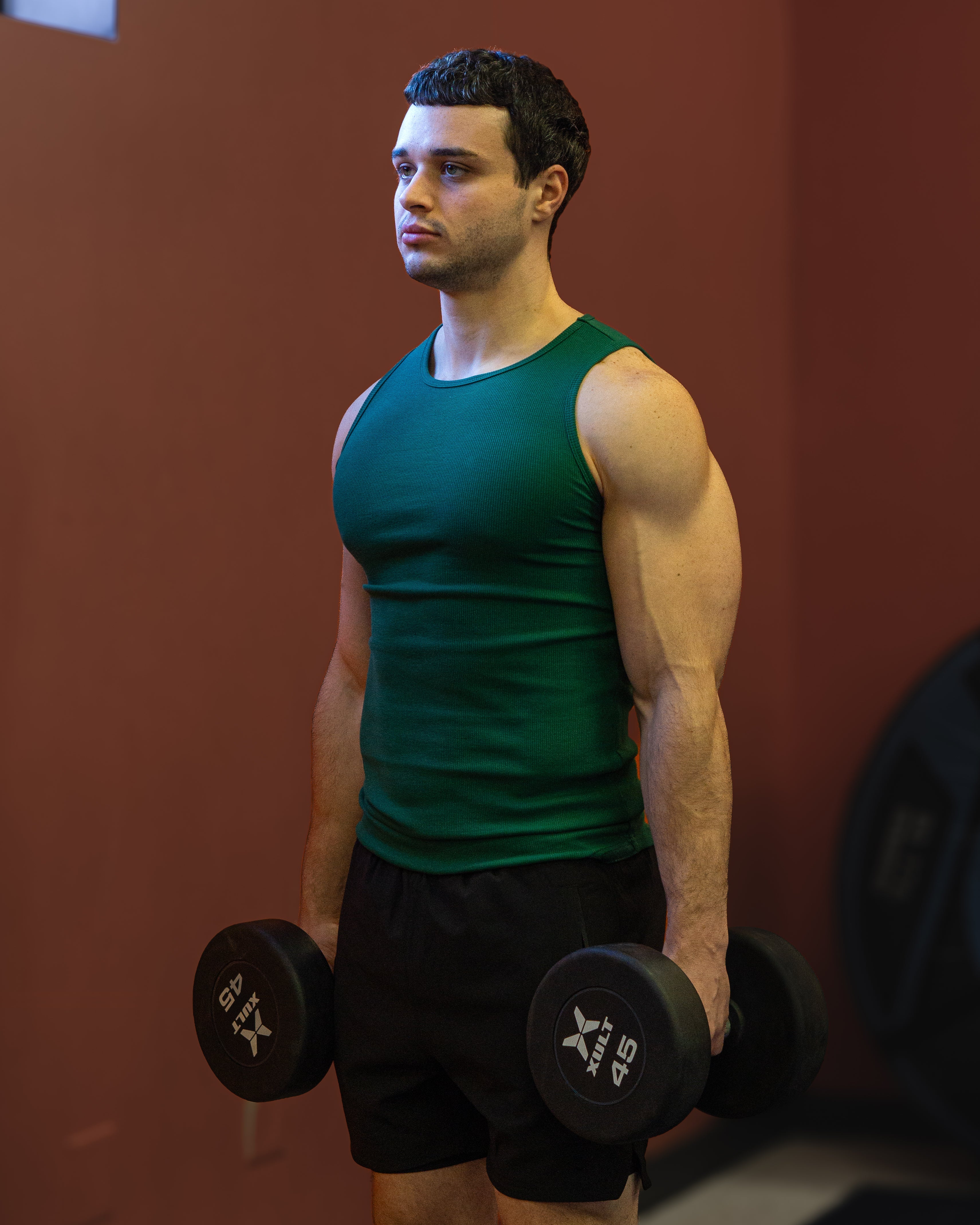
Find the best tops for lifting sessions with the right fit, fabric, and feel for comfort, movement, and clean gym-to-street style.