
What Makes Gym Tops Actually Perform?
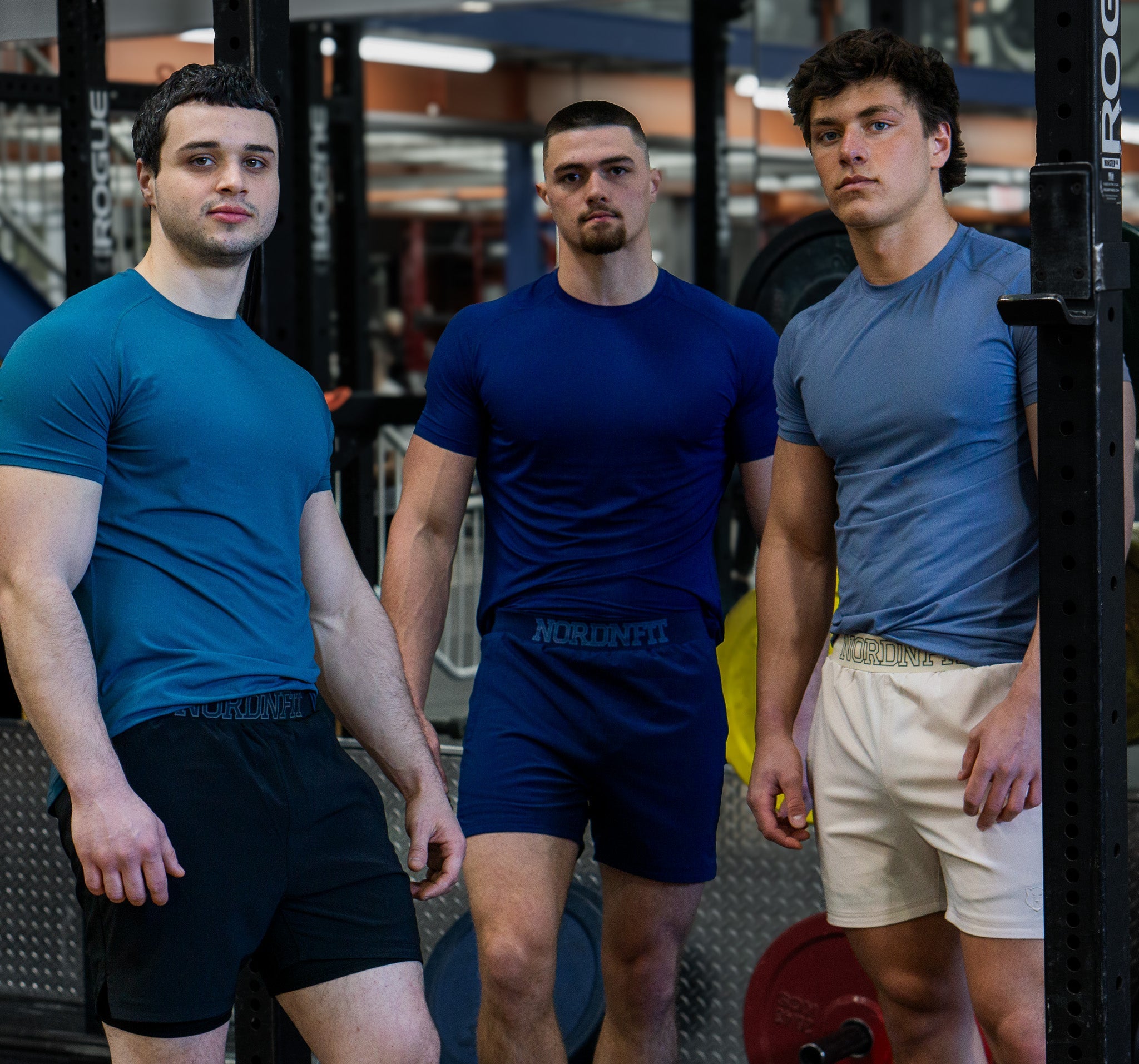
You notice a bad training top fast.
It sticks to your chest halfway through a lift. It gets heavy during cardio. It looks fine walking into the gym, then feels swampy ten minutes later. That is usually the moment people start caring about fabric - not because they want more technical jargon, but because they want to feel comfortable and look put together while they train.
That is where moisture wicking gym tops earn their place. A good one helps you stay drier, lighter, and less distracted. It does not turn you into a different athlete. It just removes one more thing working against you.
Why moisture wicking gym tops matter
Sweat is part of training. The issue is not sweating. The issue is what your shirt does with it.
Moisture-wicking fabric is designed to pull sweat away from your skin and move it toward the outer surface of the material, where it can spread out and dry faster. When that works well, your top feels less clingy and less heavy. You stay more comfortable between sets, on runs, during classes, or while moving through a long day that starts with a workout and ends somewhere else.
That last part matters more than people admit. Most shoppers are not building a wardrobe for one exact use case. They want one top that works for training, then still looks clean enough for coffee, errands, or a casual reset after the gym. Performance matters, but so does appearance. If a top holds sweat marks forever or loses its shape after one wash, it stops feeling premium fast.
Not all moisture wicking gym tops feel the same
Two shirts can both claim moisture wicking and wear completely differently.
Some are ultra-light and built for hotter sessions, high-output training, or people who sweat a lot. These usually feel airy and dry quickly, but the trade-off can be structure. If the fabric is too thin, it may cling more than you want or feel less polished outside the gym.
Others use a slightly heavier knit with stretch. These often feel more substantial on the body, drape better, and hold their shape longer. That can be the better move if you care as much about everyday wear as training performance. The trade-off is simple - a thicker fabric may not feel as cool during intense cardio in summer.
So the best choice depends on how you train and how you wear it. A runner in humid heat might want the lightest option possible. Someone rotating between lifting, walking, commuting, and weekends might want a more balanced top that still looks sharp off the clock.
Fabric matters, but so does construction
People often focus only on the material label. Polyester, nylon, elastane blends - those details matter, but they are not the whole story.
Construction changes the experience just as much. A top with some stretch moves better through presses, rows, and overhead work. A fabric with recovery holds its shape instead of bagging out. Flat seams can help reduce friction, especially if you train longer or repeat the same movement patterns. Even the cut at the shoulders and chest affects whether a shirt feels athletic or restrictive.
This is why two tops with similar fabric blends can perform differently. One feels clean, flexible, and ready for repeat wear. The other twists, rides up, or traps heat in all the wrong places.
If you want a top that does more than survive one workout, look beyond the marketing phrase and pay attention to how the whole garment is built.
How a great gym top should fit
Fit is where performance and style meet.
Too tight, and the shirt can hold sweat against the body, limit movement, or feel overly technical for everyday wear. Too loose, and it may shift around during training, bunch under layers, or lose that sharp, intentional look most people want from modern activewear.
The sweet spot is a fit that follows the body without squeezing it. You want room through the shoulders for movement, enough length to stay put during lifts, and a silhouette that looks clean with shorts, joggers, or everyday pants. It should feel athletic, not costume-like.
That balance is what separates a shirt you only wear to train from one you reach for all week. The best tops do both. They perform in motion and still look good standing still.
What to look for before you buy
A strong gym top usually gets the basics right in a way that feels almost invisible. It dries quickly. It stretches without feeling flimsy. It stays comfortable as your body temperature changes. And it keeps its shape after washing.
There are also a few less obvious things worth checking.
First, pay attention to how the fabric feels against your skin. Some moisture-wicking materials are effective but overly slick or synthetic in a way that feels cheap. Others feel softer and more natural while still performing well. If you wear your training gear beyond the gym, that hand feel matters.
Second, think about opacity. Lightweight performance fabric can be great until bright light hits it. A top should feel breathable, not paper-thin.
Third, consider odor retention. Some synthetic fabrics dry fast but hold onto smell more than expected. If you train often and wash on repeat, this becomes a real quality test.
Last, think about versatility. A top in a clean cut and modern colorway goes further. It works with more of your wardrobe, and that makes it easier to justify buying better quality instead of buying more pieces you barely wear.
When moisture wicking is worth paying for
Not every workout demands premium gear. If you train lightly, sweat less, or mostly wear tops for short sessions, you may not need the most technical fabric on the market.
But if you train consistently, the difference adds up. Better moisture management means fewer mid-workout distractions. Better stretch means less pulling at the hem or shoulders. Better durability means the shirt still fits the same after real use.
That is usually where price starts making sense. You are not just paying for a feature list. You are paying for repeat performance - the top that still feels right on the tenth wear, not just the first.
For a lot of people, that is the smarter buy. One solid training top that handles sweat, movement, and everyday styling is more useful than three cheaper shirts that lose shape, trap heat, or look tired quickly.
Moisture wicking gym tops for training and real life
This category has changed. Gym tops used to look aggressively sporty, like they belonged only under fluorescent lights and rubber flooring. Now the best ones are cleaner, simpler, and easier to wear anywhere.
That shift makes sense. Most people do not want to pack a second outfit just to feel presentable after a workout. They want a top that works in motion and still feels right once the workout is over.
Minimal design helps here. Clean lines, modern fit, and understated branding make a performance top more wearable across the day. It still needs to do the job in training, but it should also pair naturally with relaxed layers, everyday sneakers, and the rest of a real wardrobe.
That is why brands like NORDNFIT focus on pieces built for movement without looking overbuilt. Performance is the baseline. Wearability is what keeps the piece in rotation.
The trade-offs are real
There is no perfect gym top for every person or every session.
If your priority is maximum cooling, you may end up with a lighter fabric that feels less structured. If you want a more premium drape and better everyday styling, you might trade a bit of airflow. If you prefer a compressive fit, you may gain support but lose some casual versatility.
That is normal. The goal is not finding a magical top that wins every category. The goal is finding the one that matches your training style, your climate, and how you actually get dressed.
For most people, the best answer sits in the middle - soft feel, reliable stretch, quick-drying performance, and a fit that looks sharp beyond the gym.
The right top makes training feel cleaner
A good workout can feel hard. Your shirt should not.
The best moisture wicking gym tops disappear in the right way. They move when you move, dry fast enough to keep you comfortable, and hold their shape through repeated wear. They also look good enough that you do not think twice about keeping them on after training.
That is the standard worth shopping for. Not louder. Not more complicated. Just better built, better fitting, and ready for more than one part of your day.
Choose the top that keeps up without asking for attention. You will feel the difference before you even finish your first session.
Read more
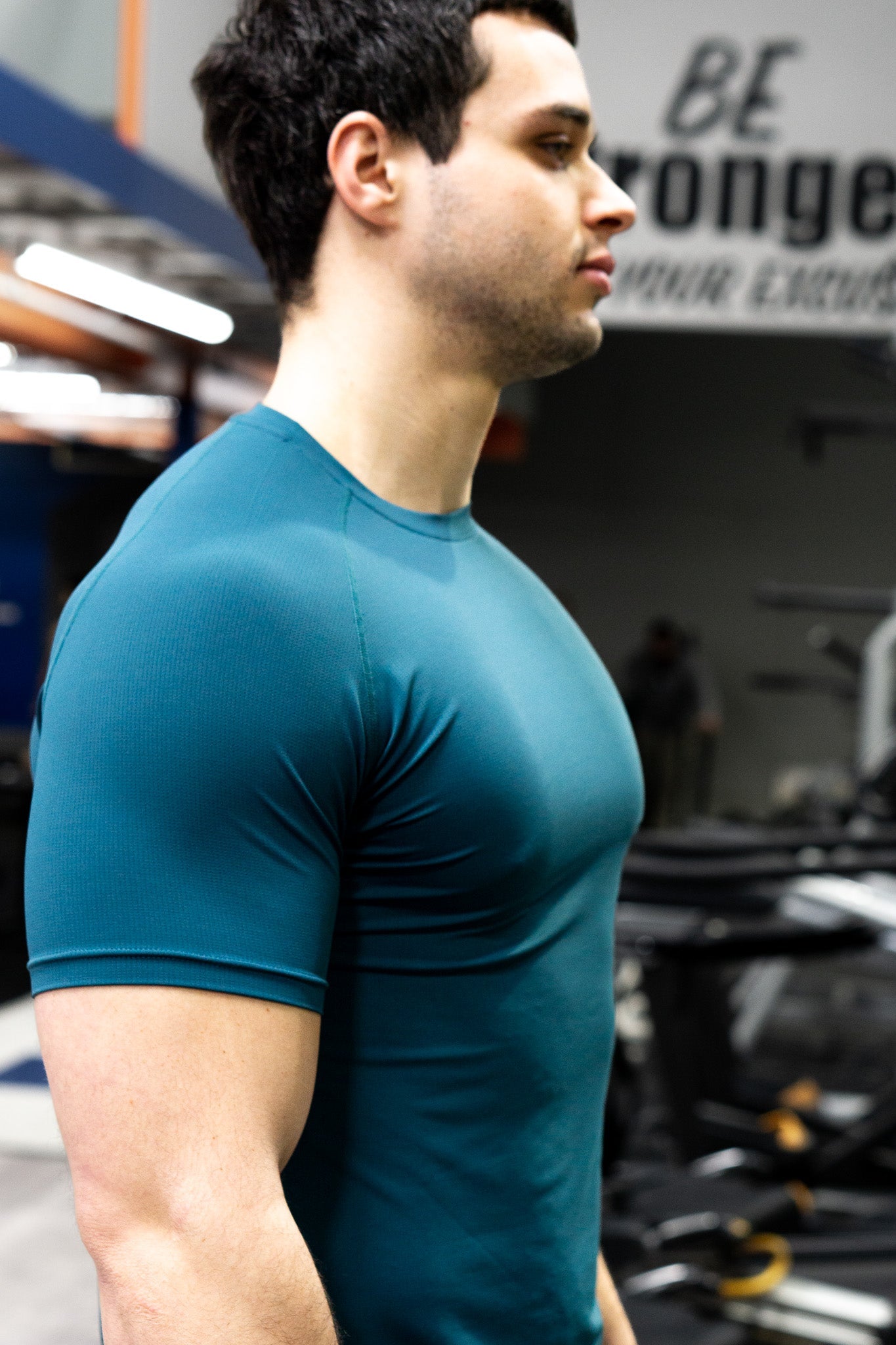
Find the right stretch workout shirts for men with fit, fabric, breathability, and style tips built for training and everyday wear.
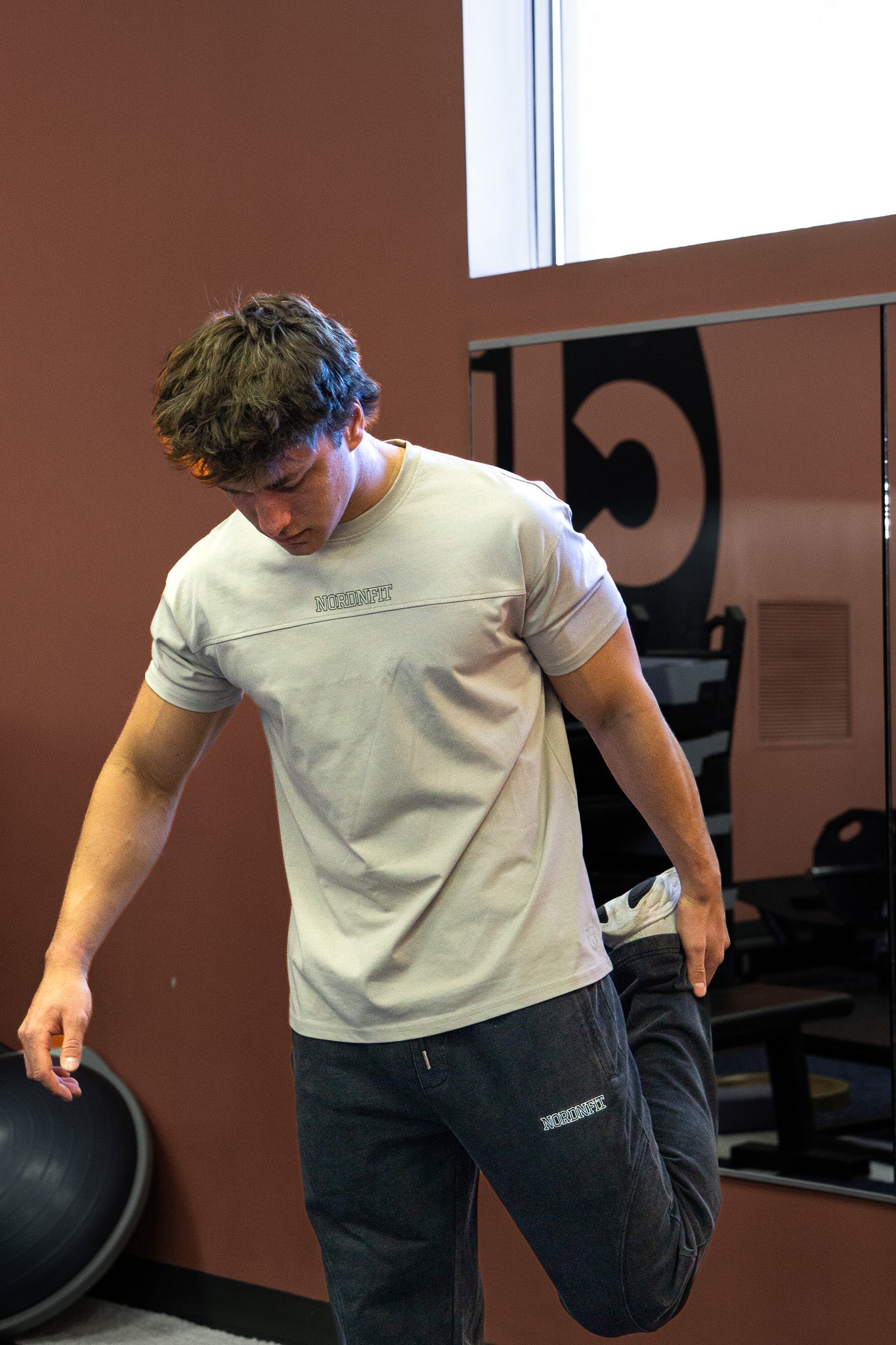
Find out what sets everyday pants with stretch apart, from fabric and fit to durability, comfort, and style that works all day long.