
Best Tops for Lifting Sessions That Perform
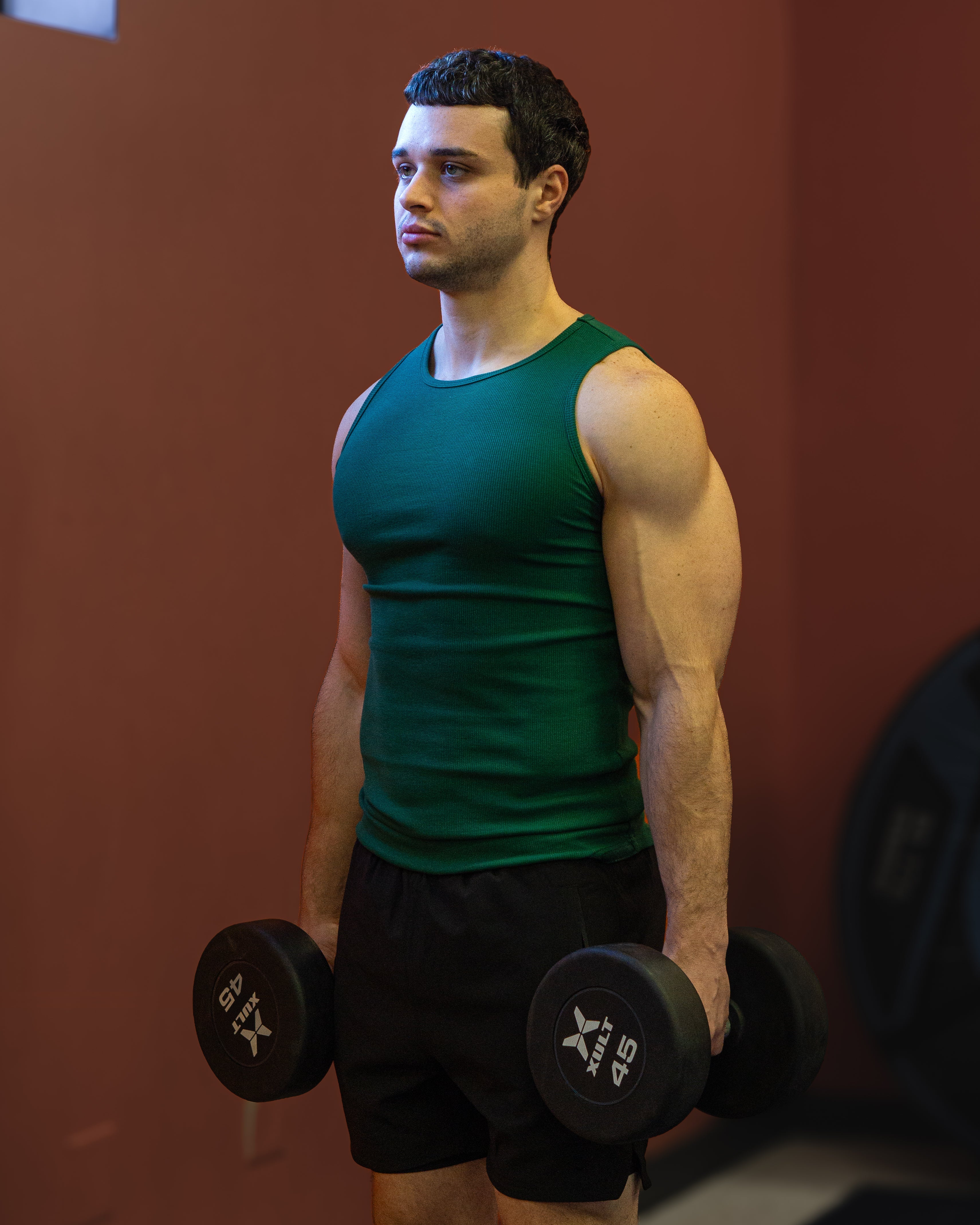
You notice a bad training top fast. It rides up on overhead press, sticks to your back halfway through accessories, or feels tight where you need range the most. The best tops for lifting sessions do the opposite. They stay out of your way, hold their shape, and let you focus on the set.
That sounds simple, but not every gym top is built for actual lifting. Running shirts can feel too light. Lifestyle tees can look good but trap heat. Old cotton staples may feel familiar, then get heavy once the session picks up. If you lift regularly, your top needs to match the work - from warm-up to final rep, and ideally after the gym too.
What makes the best tops for lifting sessions?
Start with movement. Lifting asks for more from a top than basic comfort. You need room through the shoulders for presses, enough stretch for rows and pulls, and a fit that stays clean when you brace, hinge, and reach.
Fabric matters just as much. A top can feel soft on day one and still fail under training. Good lifting tops balance stretch, recovery, and breathability. They should move with you, then return to shape instead of going baggy after a few washes. If the material gets clingy with sweat or loses structure quickly, it stops feeling premium fast.
Then there is the fit. Too slim and it restricts your upper body. Too loose and it bunches under the bar or shifts around during compound lifts. The sweet spot is athletic without being restrictive. Clean through the chest and shoulders. Easy through the torso. Sharp enough to wear beyond the rack.
Fit comes first
If you are choosing between colors, cuts, or fabric blends, start with silhouette. Fit is what decides whether a top feels made for training or just acceptable.
Fitted tops
A fitted top works best if you like a close feel and want less fabric moving around during lifts. It can be a strong choice for upper-body days, machine work, or shorter sessions where you want a locked-in feel. The trade-off is obvious - if the cut is too aggressive, shoulder mobility suffers and the top can pull across the chest during pressing.
For lifting, fitted should never mean compressed unless that is the point of the garment. A good fitted top still gives you room to move.
Athletic regular fit
For most people, this is the sweet spot. An athletic regular fit gives shape without cling. It leaves enough space for air flow and movement but still looks sharp. If your sessions include a mix of compound lifts, accessories, and some cardio, this fit usually handles all of it well.
It is also the easiest option to wear outside the gym. You do not have to change right away, and that matters when your day does not stop at training.
Relaxed tops
Relaxed tops can work well for leg days, pump covers, and colder starts. They bring comfort and a more laid-back look. But there is a line between relaxed and sloppy. Too much extra fabric can catch under benches, bunch around the waist, or just feel heavy when you start sweating.
If you like an oversized look, choose one with structure. Clean drape. Strong neckline. Fabric that still holds shape.
The fabrics that actually work
Not all performance fabric feels premium, and not all soft fabric performs. The best tops for lifting sessions usually land somewhere in the middle.
Performance blends
A polyester-spandex or nylon-spandex blend is often the most reliable choice for training. You get stretch, sweat management, and better shape retention than standard cotton. This is the fabric category that usually feels best when your session gets intense.
Still, there is a difference between lightweight and flimsy. If the material is too thin, it can feel overly technical and lose that clean everyday look. For lifting, a slightly more substantial hand feel often works better.
Cotton blends
Cotton-blend tops hit a different note. Softer. More natural. More casual. They can be great for lower-intensity sessions, strength work with longer rest periods, or anyone who wants their gym top to feel more like an elevated everyday tee.
The trade-off is moisture. Pure cotton absorbs sweat and stays wet longer. A cotton blend with stretch is usually the smarter move - softer feel, better recovery, less drag once you heat up.
Ribbed and textured fabrics
These are less common for heavy training tops, but they can work depending on the cut. A ribbed tank or fitted top can offer a secure feel with a more styled finish. That matters if you want your training gear to look intentional, not just functional.
The key is flexibility. Texture should add structure, not limit movement.
Tanks, tees, and long sleeves
Different session, different top. You do not need one answer for every workout.
Training tees
The training tee is the most versatile option. It covers enough, works across seasons, and handles almost any split. For most lifters, this is where to start. Look for a tee with clean shoulder construction, moderate stretch, and a hem that stays put when you raise your arms.
A good training tee should feel invisible once you start lifting. That is the goal.
Sleeveless tops and tanks
If you want full shoulder freedom, tanks are hard to beat. They make sense for pull days, high-volume upper-body work, and warm gyms. They also give a more relaxed training feel.
But the cut matters a lot. Armholes that are too deep can look messy and shift too much during movement. A cleaner tank silhouette keeps the look elevated while still giving full range.
Lightweight long sleeves
Long sleeves can be underrated for lifting, especially when you want a little extra coverage without wearing a hoodie. They work well for warm-ups, cooler seasons, and gym-to-day transitions.
Just make sure the sleeves are built for motion. If the forearms are too tight or the shoulders pull during pressing, it stops being useful fast.
Style still matters
Performance is non-negotiable. Style is not extra.
A top that works in the gym but looks off the second you leave creates friction in your day. Younger lifters are not building separate wardrobes for every hour. They want one piece that can move across settings and still feel right.
That is why clean lines, minimal branding, and balanced proportions matter. A sharp training top should look just as good with shorts in the gym as it does with everyday pants after. It should feel athletic, not costume-like.
This is where minimalist activewear gets it right. Less noise. More wearability. Better value per wear.
How to choose your best top
Be honest about how you train. If your sessions are heavy, sweaty, and fast-paced, lean toward performance blends in an athletic fit. If you train more casually or want one top for lifting and daily wear, a premium cotton blend may suit you better.
Also think about your go-to lifts. If overhead work is a big part of your training, test shoulder mobility first. If you deadlift and row often, check whether the hem stays in place while hinging. If you layer a lot, pay attention to bulk and sleeve shape.
And do not ignore confidence. The best top is not just the one with the right technical features. It is the one you reach for often because it feels good, fits right, and makes you feel ready to train.
What to avoid when shopping
A few details usually signal that a top will disappoint. Overly thin fabric is one. It may feel airy on the hanger, then cheap in motion. Stiff seams are another. If you notice them before the workout starts, you will definitely notice them later.
Watch for exaggerated cuts too. Extreme drop hems, oversized armholes, or ultra-tight sleeves can look good in product shots and feel less practical in real sessions. Clean design tends to age better and perform more consistently.
It is also worth being realistic about use. One top does not need to do everything. If you lift five days a week, having a small rotation makes more sense than expecting one favorite to carry every session.
Where premium training tops stand out
The difference is usually subtle at first. Better fabric recovery. Cleaner stitching. A fit that holds after repeat wear. Then over time, it becomes obvious.
Premium training tops are not about unnecessary extras. They are about consistency. The feel stays soft. The shape stays sharp. The top keeps showing up the way you need it to. That is the standard.
If you want pieces that sit right between performance and everyday style, that is exactly where brands like NORDNFIT make sense. Clean design. Strong fabric choice. Built to move, built to wear.
The right top will not add weight to the bar. It will just stop taking anything away from your session, and that is usually when you know you found the one.
Read more
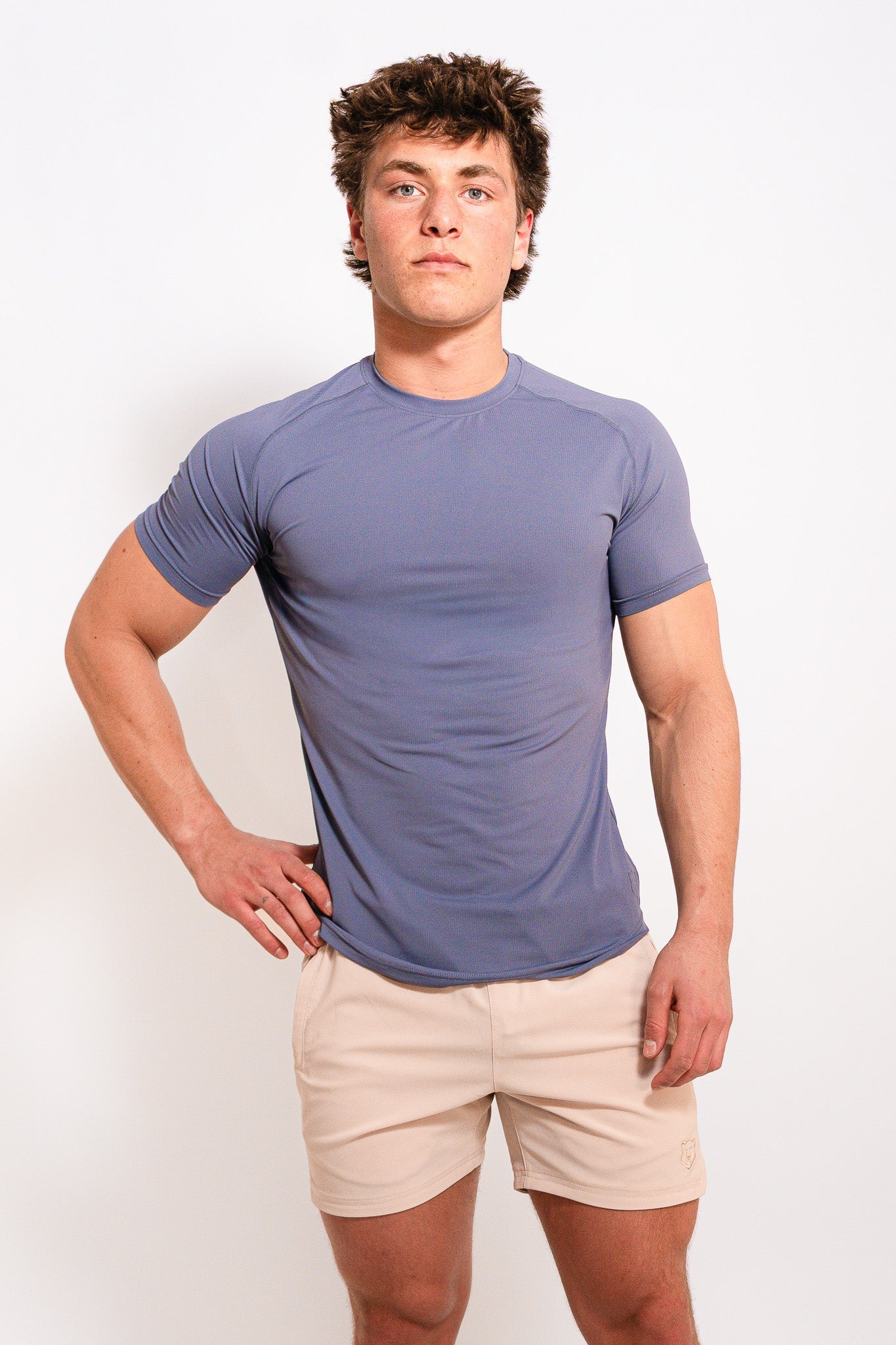
Gym tees vs cotton tees - see how fit, sweat control, comfort, and durability stack up so you can pick the right shirt for training and daily wear.
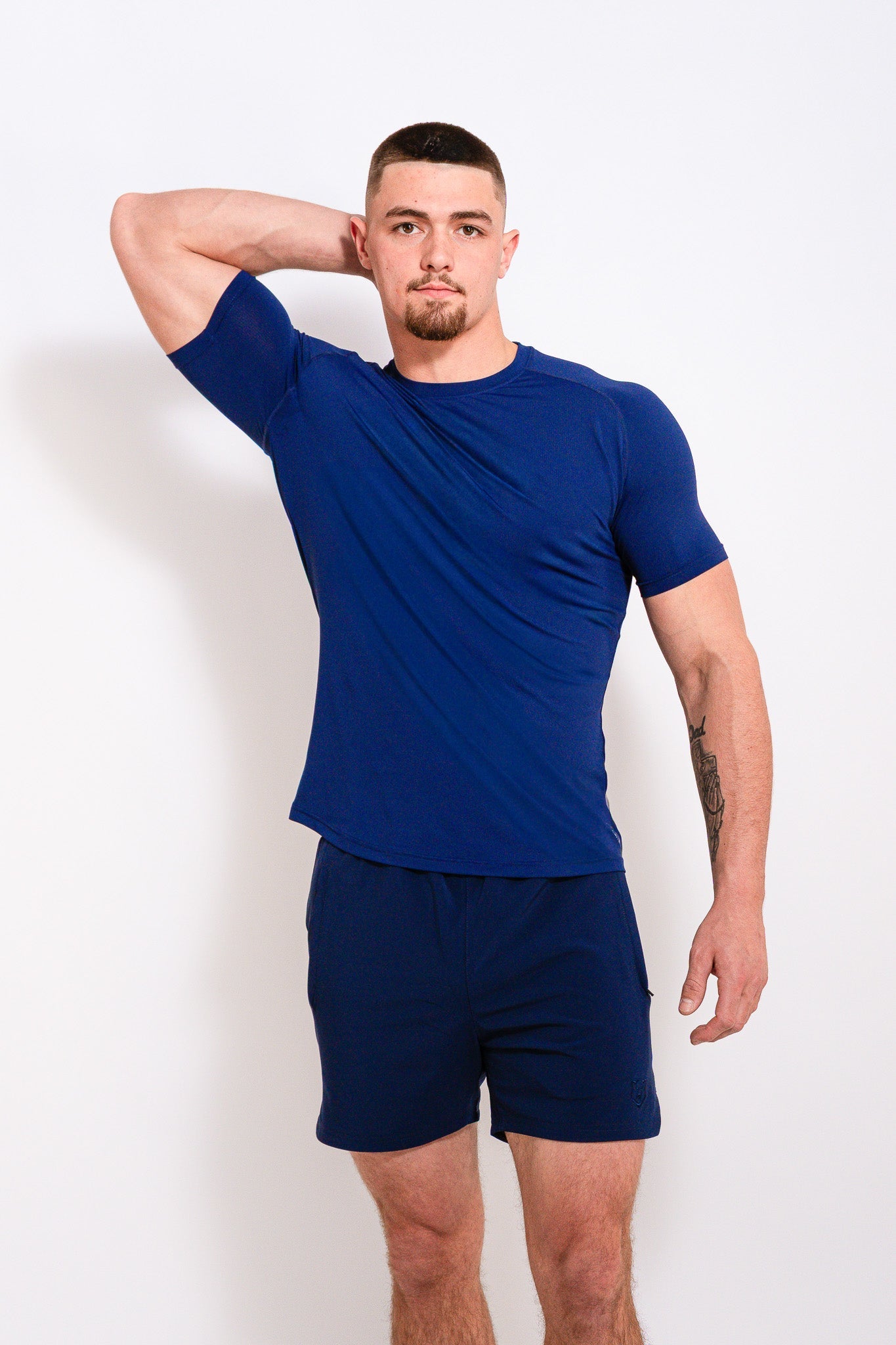
Breathable training shirts keep sweat, heat, and distraction in check. Learn what to look for in fit, fabric, and performance for every session.