
A Guide to Versatile Gym Clothing
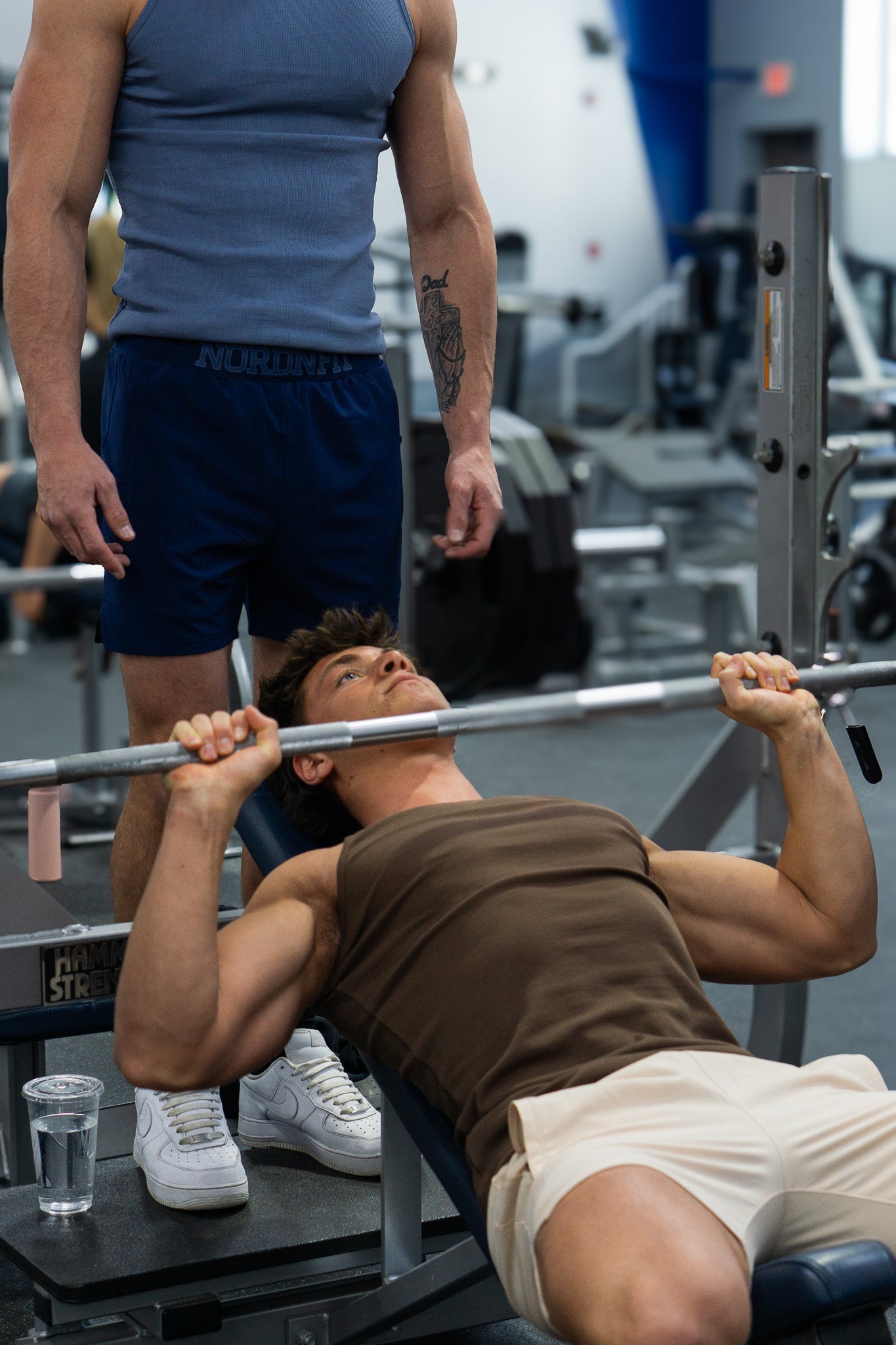
You know the feeling. You finish a lift, grab coffee, run errands, maybe meet friends later, and suddenly your outfit matters beyond the gym. That is exactly why a guide to versatile gym clothing matters - not just for performance, but for how you move through the rest of your day.
The best gym clothing does more than survive a workout. It keeps its shape. It feels good for hours. It looks clean enough that you do not need a full outfit change the second your session ends. For most people, that balance is the real goal.
Versatility is not about buying one outfit that does everything perfectly. It is about choosing pieces that perform well across multiple settings without feeling too technical, too casual, or too styled for one narrow use. Good activewear should train hard and wear easy.
What versatile gym clothing actually means
Versatile gym clothing sits in the sweet spot between performance wear and everyday basics. It should support movement, manage heat, and stay comfortable during training. At the same time, it should feel natural outside the gym, whether you are walking the city, working remotely, traveling, or taking a rest day.
That usually comes down to four things: fabric, fit, durability, and design. If one of those misses, the piece becomes limited. A shirt with great sweat control but an overly aggressive athletic cut may feel wrong for daily wear. Pants that look polished but restrict movement will stay in the casual-only lane. The point is balance.
Minimal design helps. Clean lines, solid colors, and subtle branding give you more room to wear the same piece in different settings. Loud graphics and hyper-sport details can work in training, but they are harder to style across a full day.
A guide to versatile gym clothing starts with fabric
Fabric is where most of the difference lives. If a piece feels cheap, traps heat, or stretches out after a few washes, it stops being versatile fast.
Look for material with soft hand feel, reliable stretch, and enough structure to hold shape. You want movement without bagginess. You want comfort without that thin, flimsy feel that starts looking worn after a few wears. Moisture management matters too, but there is a trade-off. Some ultra-light performance fabrics are excellent for hard training and not great for everyday comfort. They can cling, feel too slick, or read overly synthetic.
The better choice for all-day use is often a blended fabric that combines stretch with a more substantial finish. It should breathe during workouts but still feel elevated when you are off the clock. That is the difference between clothing you only wear for sets and clothing you actually keep on.
Texture plays a role as well. Smooth finishes tend to look sharper. Ribbed or brushed fabrics can work beautifully for casual wear, especially in tanks and lighter layers, but they still need recovery and resilience. If the fabric loses shape at the knees, hem, or neckline, the piece loses value.
Fit makes or breaks versatility
A good fit should follow your shape without locking onto every line of your body. Too tight, and the piece feels gym-only. Too loose, and it can lose performance function.
For tops, think easy through the chest and shoulders with enough room to move overhead or through pushes and pulls. A shirt that rides up, twists, or pulls during training will get old quickly. But one that is cut too oversized may feel sloppy with the rest of your wardrobe.
Shorts need the same middle ground. You want mobility, but not the kind of volume that balloons when you walk. A shorter inseam often feels more athletic and modern, while a slightly longer cut can work better if you want more coverage outside the gym. Neither is universally better. It depends on how you train and how you like to dress.
Pants are where versatility really shows. A tapered leg, clean waistband, and flexible fabric can take you from commute to workout to rest day without effort. Baggy sweats have their place, but they are not always the strongest option if you want one piece to cross settings.
Build around fewer, better pieces
You do not need a huge rotation to dress well for training and daily movement. You need a tight lineup of pieces that work together.
Start with training tops that can also pass as everyday basics. Neutral colors make this easier. Black, white, gray, navy, and muted earth tones pair with almost anything and hold up season after season. A clean fitted or slightly relaxed tee is one of the hardest-working pieces in any wardrobe.
Then add shorts that feel athletic but polished. Look for a pair you would wear for leg day, a grocery run, and a weekend walk without thinking twice. The same goes for everyday pants with performance stretch. They should feel easy enough for movement and clean enough for the rest of your plans.
Layering helps extend every piece. A cap, overshirt, or lightweight outer layer can shift the whole look without changing the foundation. This is where minimalist design wins again. The simpler the base, the more ways you can style it.
How to shop with your real day in mind
The smartest way to use this guide to versatile gym clothing is to think about your actual routine, not an ideal version of it.
If your workouts are high-intensity and you sweat a lot, your fabric priorities may lean more technical. If you lift, walk, and spend long stretches sitting or commuting, comfort and shape retention may matter more. If you often go from the gym straight into social plans, appearance matters just as much as performance.
Ask a few direct questions before you buy. Would you wear this without training? Does it still look good after a full day? Can you style it with pieces you already own? Does it feel like you, or just like sportswear?
That last point matters more than people admit. Versatile clothing should match your identity, not fight it. If your style is clean and understated, choose pieces that reflect that. If you like a sharper athletic look, go for cuts and finishes that support it. Confidence usually comes from alignment, not from chasing trends.
Small details that separate good from great
A lot of gym clothing looks solid online and falls apart in real life. The details tell the truth.
Check the waistband. It should feel secure without digging in. Look at the seams. Flat, clean construction tends to feel better in motion and wear better over time. Notice whether the hem curls, the collar loses structure, or the fabric starts pilling early. Those things matter because versatile clothing gets worn often. It is not occasional gear. It is part of your weekly uniform.
Pockets are worth paying attention to as well. In shorts and pants, they should be useful without adding bulk. If a pocket flares out or bounces during movement, it gets annoying fast. If it sits clean and holds what you need, it adds real function.
Color retention matters too. Deep black that fades after a few washes loses that premium look. The same goes for stretched-out cuffs or warped necklines. Durable design is not flashy, but you feel it every time you get dressed.
Style and performance should not compete
For a long time, activewear asked you to choose. You could buy pieces built for training or pieces that looked good outside the gym. Now the standard is higher.
The strongest option is apparel that feels performance-ready without advertising itself too loudly. That is where brands like NORDNFIT fit naturally - clean design, movement-first comfort, and pieces that work beyond one setting. Not because they try to do everything, but because they stay focused on what matters.
That is the key trade-off to remember. The most technical item in your closet may not be the most wearable. The most stylish one may not support your training. Versatile gym clothing lives in the middle, and that is exactly why it earns more use.
Choose pieces you will actually keep wearing
A great gym wardrobe is not built on hype. It is built on repeat wear.
Pick pieces that move well, recover well, and look right even after the workout is over. Keep the palette clean. Keep the fit intentional. Let comfort and durability lead. If something only works in one narrow moment, it is probably not versatile enough.
The goal is simple. Wear less. Wear better. Choose clothing that keeps up when your day changes shape.
Read more
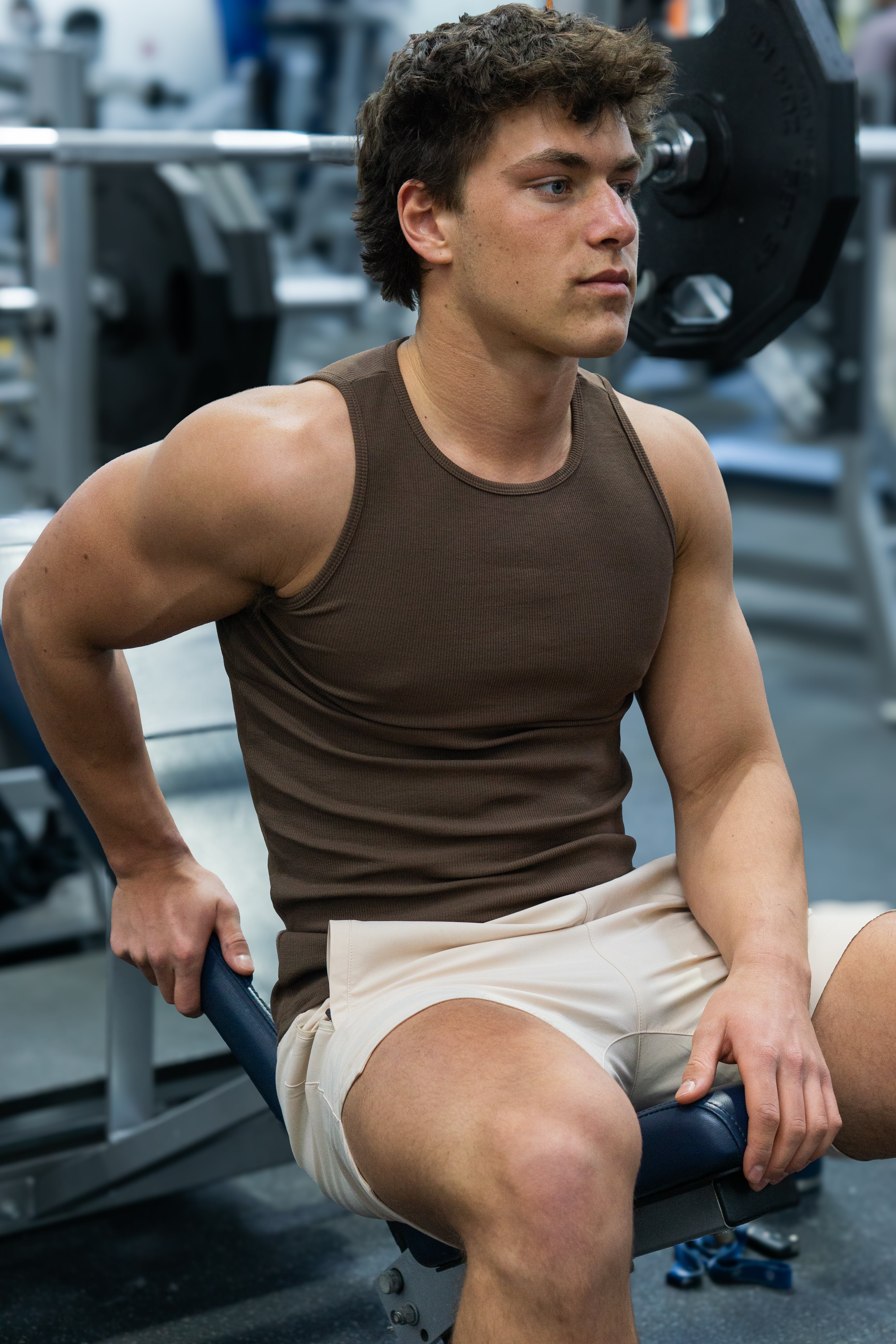
Learn how to build a training wardrobe that feels good, fits your routine, and moves from workouts to everyday wear without overbuying.
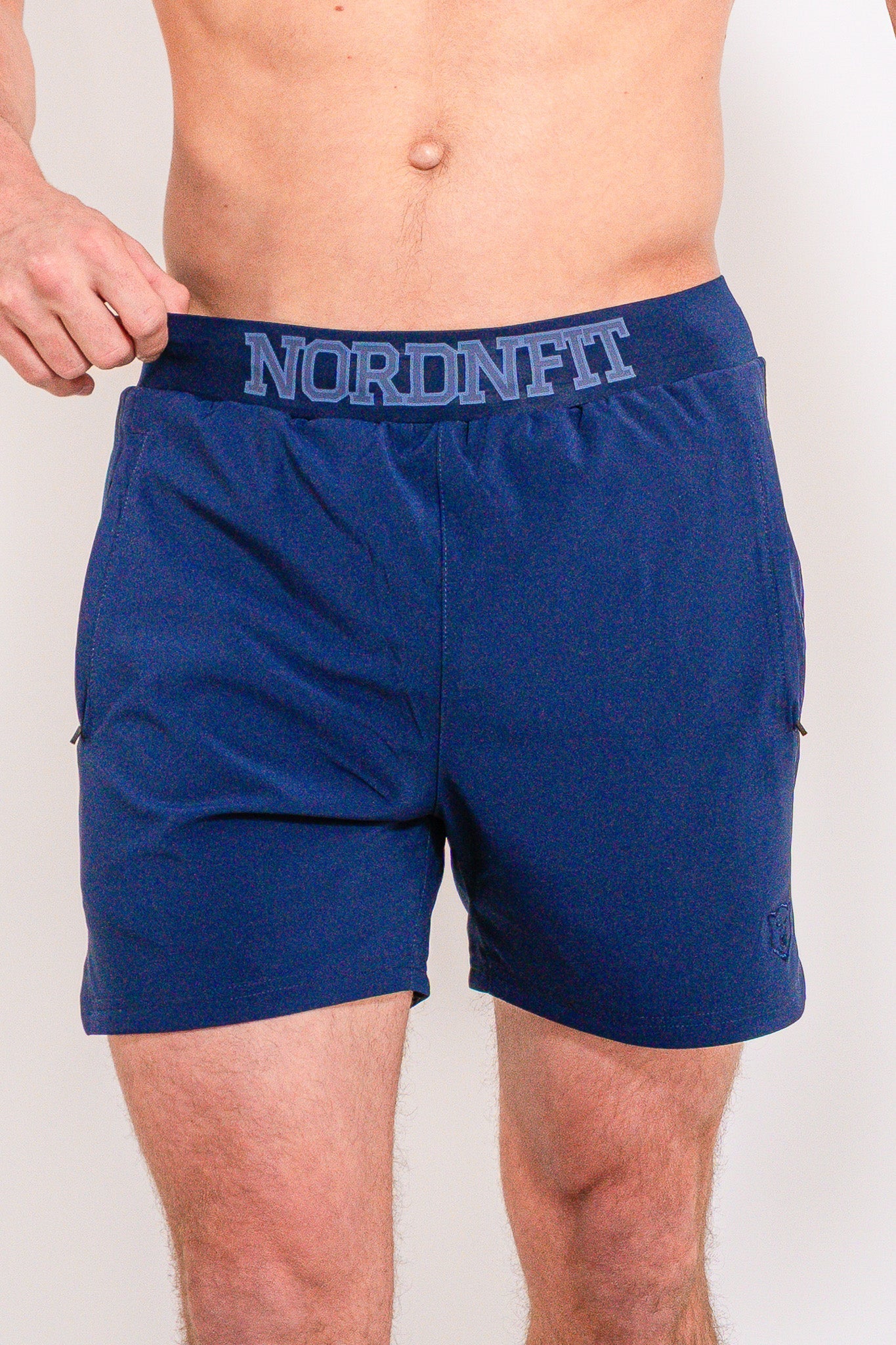
Training shorts vs running shorts - learn the real differences in fit, fabric, and function so you can choose the right pair for every workout.