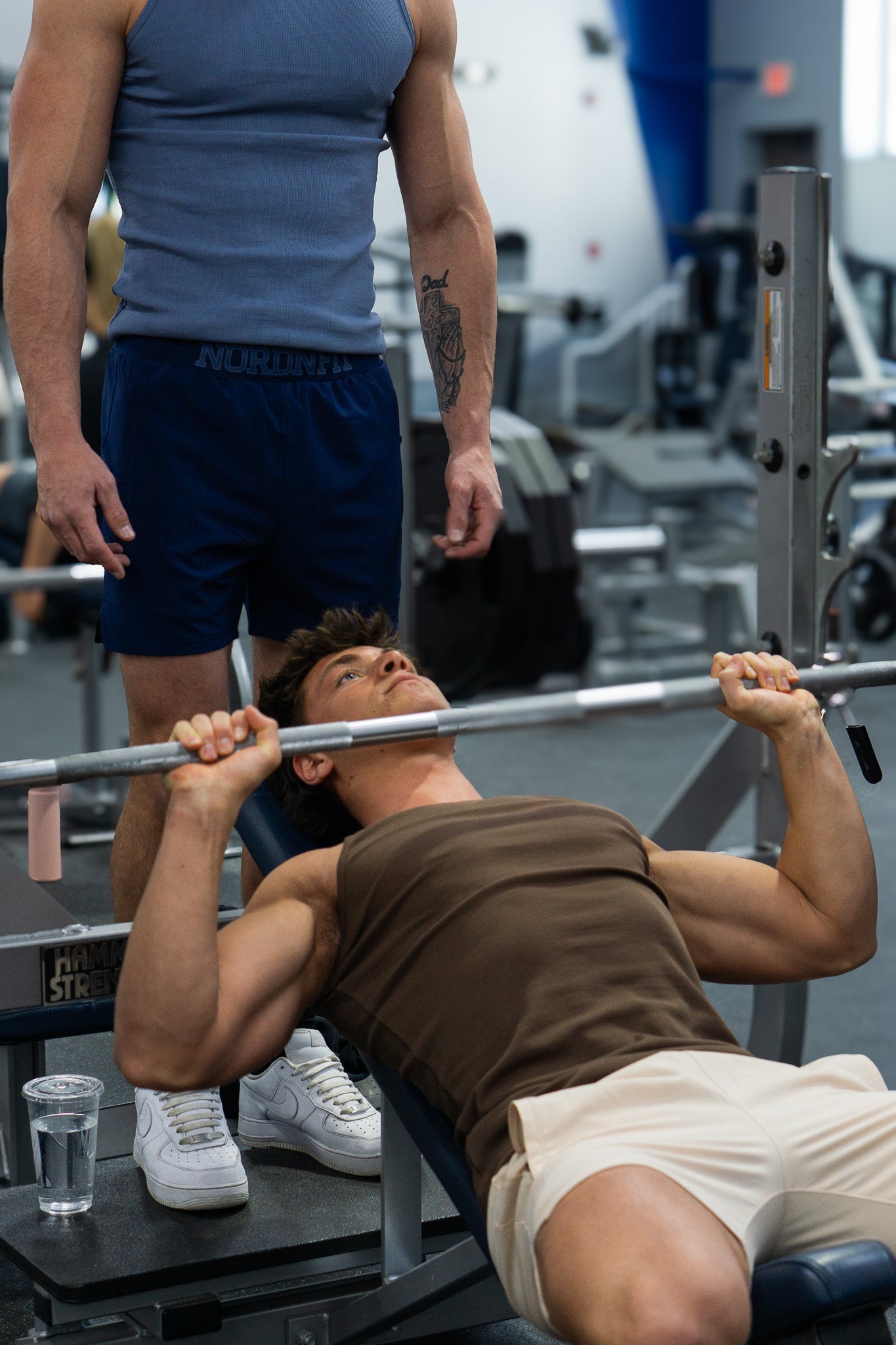
Training Shorts vs Running Shorts
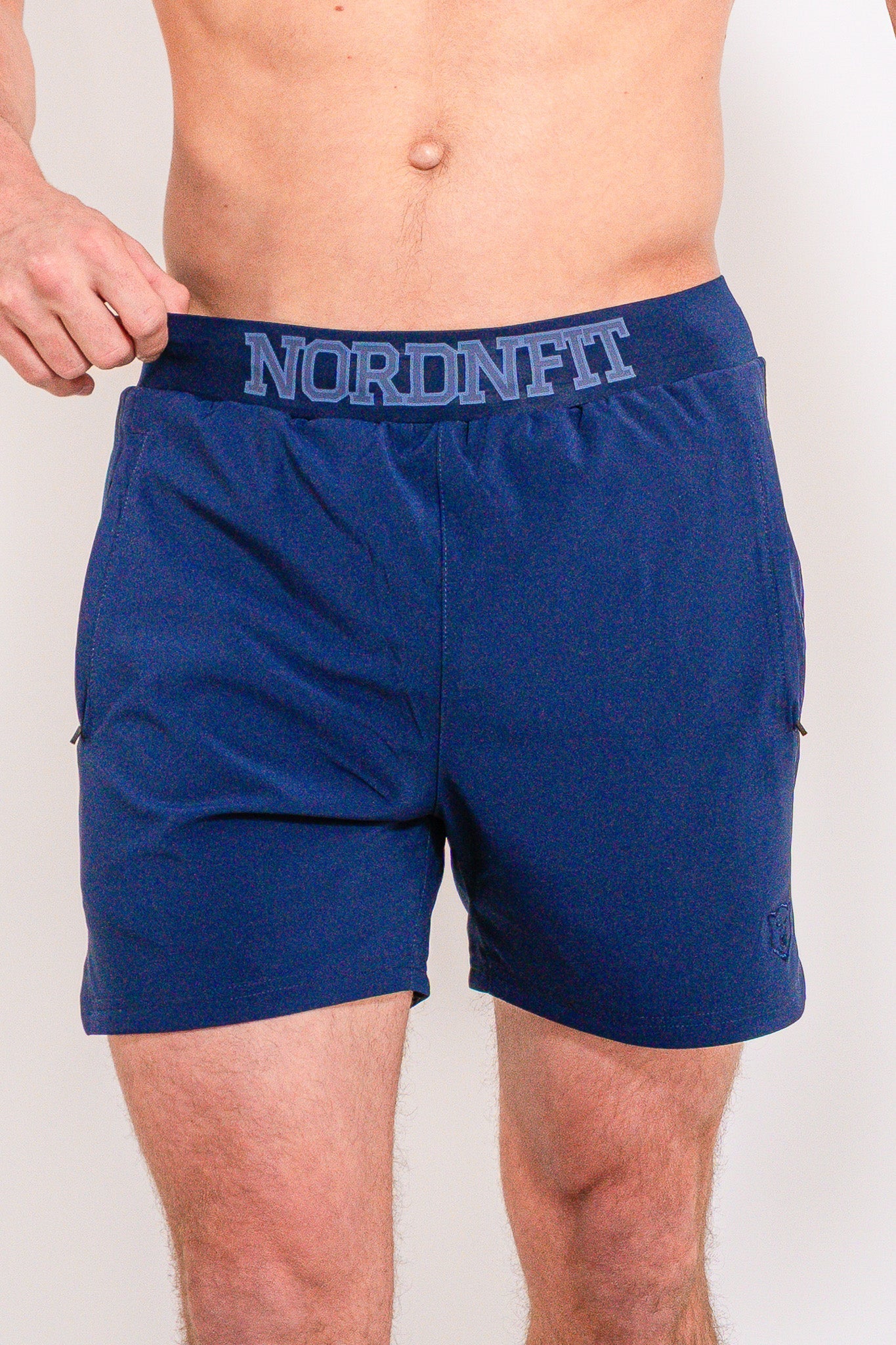
The wrong shorts show up fast. You feel them when fabric sticks during squats, when extra material shifts on a run, or when a waistband starts distracting you halfway through a workout. That’s why training shorts vs running shorts is more than a style question. The right pair changes how you move, how comfortable you stay, and whether you want to wear them again tomorrow.
If you’ve ever looked at two similar pairs of athletic shorts and thought, these can’t be that different, the details are what prove otherwise. Training shorts and running shorts can overlap, but they’re built with different priorities. One is made for multi-directional movement, gym sessions, and repeated friction from equipment or floor work. The other is built to feel light, fast, and low-distraction over distance.
Training shorts vs running shorts: what actually changes?
At a glance, both are meant for movement. They use lightweight materials, some level of stretch, and sweat-friendly construction. But the design logic behind them is different.
Training shorts are usually made to handle a wider range of movement patterns. Think squats, lunges, lateral work, jumping, lifting, circuits, and general gym training. They tend to have a more structured feel, slightly tougher fabric, and a fit that stays put while you move in every direction.
Running shorts are more specialized. Their job is to disappear while you log miles. That usually means less fabric, lighter weight, and cuts that reduce drag and friction. They often prioritize stride freedom over coverage and all-around durability.
Neither is automatically better. It depends on what your workout asks from your gear.
Fit is the first big difference
Fit is where most people notice the split between training shorts vs running shorts.
Training shorts usually sit with a more balanced, controlled fit. Not too loose. Not too short. They’re designed to move through different exercises without riding up too much or getting in the way. You’ll often see inseams in that versatile mid-range, enough coverage for lifting and enough mobility for conditioning work.
Running shorts often lean shorter or more minimal. That shorter cut helps with stride length and keeps fabric from brushing together over repeated steps. Many running styles also use split hems or curved hems to open up the leg more. That feels great on a run, but not everyone wants that much exposure in a gym setting.
This is where preference matters. Some people want one short that works from treadmill to coffee run. Others want a dedicated piece for every activity. If you care about versatility and everyday wear, training shorts usually feel easier to style and easier to wear outside a workout.
Why inseam matters more than people think
A one-inch difference in inseam can completely change how shorts feel.
For training, a 5-inch or 7-inch inseam often lands in the sweet spot. Short enough to move. Long enough to feel secure during lifts, machines, and floor work. For running, shorter lengths can feel better because they free up the stride and reduce bunching.
The trade-off is coverage. A shorter running short can feel ideal on mile three and less ideal when you’re sitting, stretching, or heading into the rest of your day.
Fabric and stretch serve different jobs
A lot of athletic shorts claim stretch, sweat-wicking, and comfort. That’s table stakes. What matters is how those features are balanced.
Training shorts usually need stronger fabric recovery and better abrasion resistance. They deal with benches, turf, repeated washing, and high-friction movements. The material often feels a little more substantial because it needs to hold shape and handle more than straight-line motion.
Running shorts usually focus on being as light as possible. The fabric may feel softer, thinner, or more airy. That helps with breathability and speed, especially in heat, but it can also mean they feel less substantial in workouts that involve equipment, bar contact, or constant position changes.
Good training gear should stretch without getting sloppy. Good running gear should feel light without feeling flimsy. If a pair can’t do its main job under pressure, the specs don’t matter much.
Breathability vs durability
This is one of the clearest trade-offs.
Running shorts often win on airflow. Training shorts often win on structure and long-term durability. If you’re mostly doing cardio, the lighter option can feel better. If your week includes heavy lifts, HIIT, and general wear beyond the gym, a more durable short usually earns its place faster.
Liners, pockets, and small design choices matter
This is where your routine decides everything.
Many running shorts come with built-in liners. For runners, that can be a plus. It simplifies the fit, keeps things secure, and reduces extra layers. But if you don’t like built-in support or prefer your own compression layer, liners can be a dealbreaker.
Training shorts are more likely to be linerless or designed with broader versatility in mind. That gives you more control over how you wear them and often makes them easier to use across strength sessions, recovery days, and casual everyday movement.
Pockets matter too. Running shorts may keep pockets minimal to cut bulk and bounce. Training shorts are often more practical here, especially if you’re wearing them before or after your workout and want room for your phone, keys, or cards.
These details sound small until they annoy you. Then they become the only thing you notice.
Which shorts are better for the gym?
If your workouts include lifting, circuits, machines, bodyweight work, or anything with varied movement, training shorts are usually the better choice.
They’re designed for range. Forward, backward, lateral. Fast sets, slow reps, floor work, and loaded movement. They also tend to look cleaner and more substantial, which matters if you want a pair that works beyond the gym floor.
Running shorts can still work in the gym, especially for light training or cardio-heavy days. But they can feel too minimal for certain exercises, and lighter fabrics may not hold up as well over time if your training style is rougher on gear.
Which shorts are better for running?
For dedicated runs, especially longer ones, running shorts usually have the edge.
They’re built to reduce distractions over repeated motion. Less weight. Less drag. More airflow. If your main goal is comfort over miles, that design focus matters. A good running short can help you forget what you’re wearing, which is exactly the point.
That said, not everyone needs a pure running short. If you run short distances, mix cardio with strength, or prefer a more polished all-day fit, a lightweight training short may be enough. It won’t always feel as stripped back, but it may fit your lifestyle better.
Training shorts vs running shorts for everyday wear
This one is easy. Training shorts usually win.
Most people want athletic shorts that can leave the gym without looking too technical or too bare. Training shorts tend to have a cleaner silhouette, more usable pockets, and a more versatile length. They fit into the rest of your day better.
That’s why brands like NORDNFIT lean into performance pieces that feel ready for movement but still look sharp outside the workout. For most people, the best gear isn’t locked into one hour of the day. It moves with everything else.
Running shorts can still work casually, especially if you like a sportier look. But many are clearly designed for one purpose, and they wear that way.
How to choose the right pair for your routine
Start with what you do most often, not what sounds most technical.
If your week is built around gym sessions, classes, strength work, and general movement, buy training shorts first. You’ll get more versatility, more durability, and a fit that usually feels better across different settings.
If you’re logging regular miles and care most about staying light and distraction-free on runs, choose running shorts first. That specialization pays off when running is the priority.
If your routine is mixed, look at the balance of your day. Are you changing outfits before and after workouts, or do you want one pair that can carry you from training to errands? Do you prefer built-in liners or not? Do you care more about airflow or structure? Those answers matter more than the category label.
The best shorts aren’t the most technical pair on paper. They’re the ones you keep reaching for because they feel right every time.
One last rule worth keeping
Don’t force one short to do every job if it clearly doesn’t. A running short that feels perfect on the road may fall short in the weight room. A training short that looks great all day may not be your favorite for long summer runs. That’s normal.
Choose based on movement first, style second, and marketing last. When the fit is right, the fabric holds up, and the design matches your routine, you stop thinking about your shorts and get on with the workout.