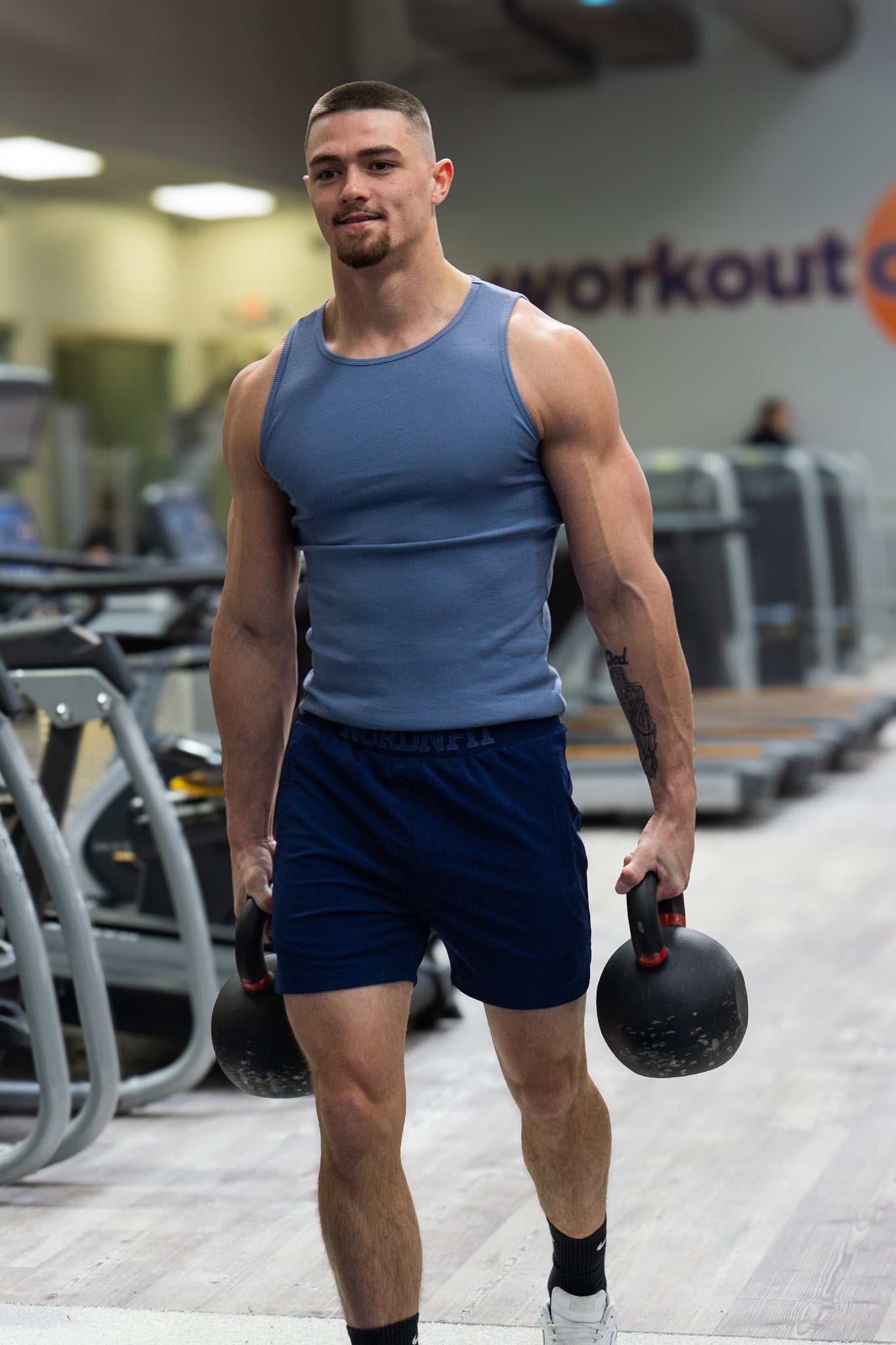
Best Gym Clothes You’ll Wear Everywhere
You know the difference right away. Some gym clothes feel great for 45 minutes, then look out of place the second you leave the squat rack. Others hold up through training, coffee runs, a long work block, and dinner after. That second category is where the real value is.
The best gym clothes for everyday wear are not just performance pieces. They are the items you reach for on busy mornings because they feel easy, look clean, and still do their job when your day shifts gears. Train in them. Recover in them. Wear them out without feeling like you forgot to change.
That balance comes down to three things: fabric, fit, and styling. Get those right, and activewear stops being "just gym clothes" and starts becoming the most useful part of your closet.
What makes the best gym clothes for everyday wear?
Not every performance piece belongs in an everyday rotation. Some are too compressive, too shiny, too loud, or too technical-looking to blend into the rest of your wardrobe. Great training gear solves for sweat and movement. Great everyday activewear solves for movement and appearance at the same time.
That usually means softer hand-feel, controlled stretch, and a silhouette that sits close without feeling painted on. The fabric should move with you, but it should also hold its shape. Nobody wants knees bagging out by noon or a shirt collar that twists after two washes.
Minimal design matters too. Clean seams. Simple branding. Colors that work with everything. Black, gray, navy, cream, olive, and washed neutrals almost always wear better across a full day than neon accents or hyper-technical paneling. If a piece looks sharp with sneakers and a cap, you are on the right track.
Start with fabrics that can handle real life
If you are shopping for pieces that can leave the gym and still look good, fabric is the first filter. Performance blends are usually the sweet spot. You want breathability and stretch, but not the slick, plastic feel that makes some training gear read too athletic.
A polyester-spandex or nylon-spandex blend works well when it is brushed or finished for softness. That gives you freedom to move without sacrificing comfort. Cotton blends can also work, especially for tops and rest-day pieces, but pure cotton is less dependable if your day includes sweat, heat, or a workout in the middle.
Texture plays a bigger role than people think. Ribbed tanks, smooth training tees, and structured jogger fabrics tend to look more elevated than overly mesh-heavy pieces. Soft. Stretchy. Comfortable. But still polished.
The trade-off is simple. Ultra-light fabrics are great for hard sessions, but they can feel flimsy in everyday wear. Heavier fabrics look cleaner and drape better, but they may run warm if you train hard in them. If you want one piece to do both, aim for the middle - breathable enough to perform, substantial enough to wear all day.
Fit decides whether it looks styled or lazy
Fit is where a lot of everyday activewear goes wrong. People either size too tight because they want a gym look, or too oversized and end up looking like they are wearing recovery gear everywhere.
The best gym clothes for everyday wear usually sit in that in-between zone. Relaxed enough for comfort. Tailored enough to look intentional.
For tops, a slight drape through the body works better than aggressive compression for daily wear. A clean shoulder line and sleeves that frame the arms without squeezing are usually more versatile than muscle-cut tanks or skin-tight tees. If you are wearing the piece to train and then stay in it, it should flatter you standing still, not just mid-workout.
For bottoms, taper matters. Joggers and everyday pants should have room in the seat and thighs with a neater line from knee to ankle. That creates shape without restricting movement. Shorts should feel easy, but not so wide that they lose structure. Mid-thigh to just above the knee is usually the safest range if you want something that works beyond training.
If it only looks good in one context, it is probably too specific. The strongest pieces adapt.
The most versatile pieces to build around
Some categories naturally do more than others. A clean training top is one of them. It works with shorts for workouts, joggers for travel, and everyday pants for a casual fit that still feels put together. Go for simple cuts, matte fabric, and branding that does not dominate the look.
Everyday pants are another staple that earn their place fast. The right pair feels athletic but does not scream gym. You get stretch, comfort, and a cleaner silhouette than sweats. That makes them useful for commuting, grabbing lunch, or logging a full day on the move.
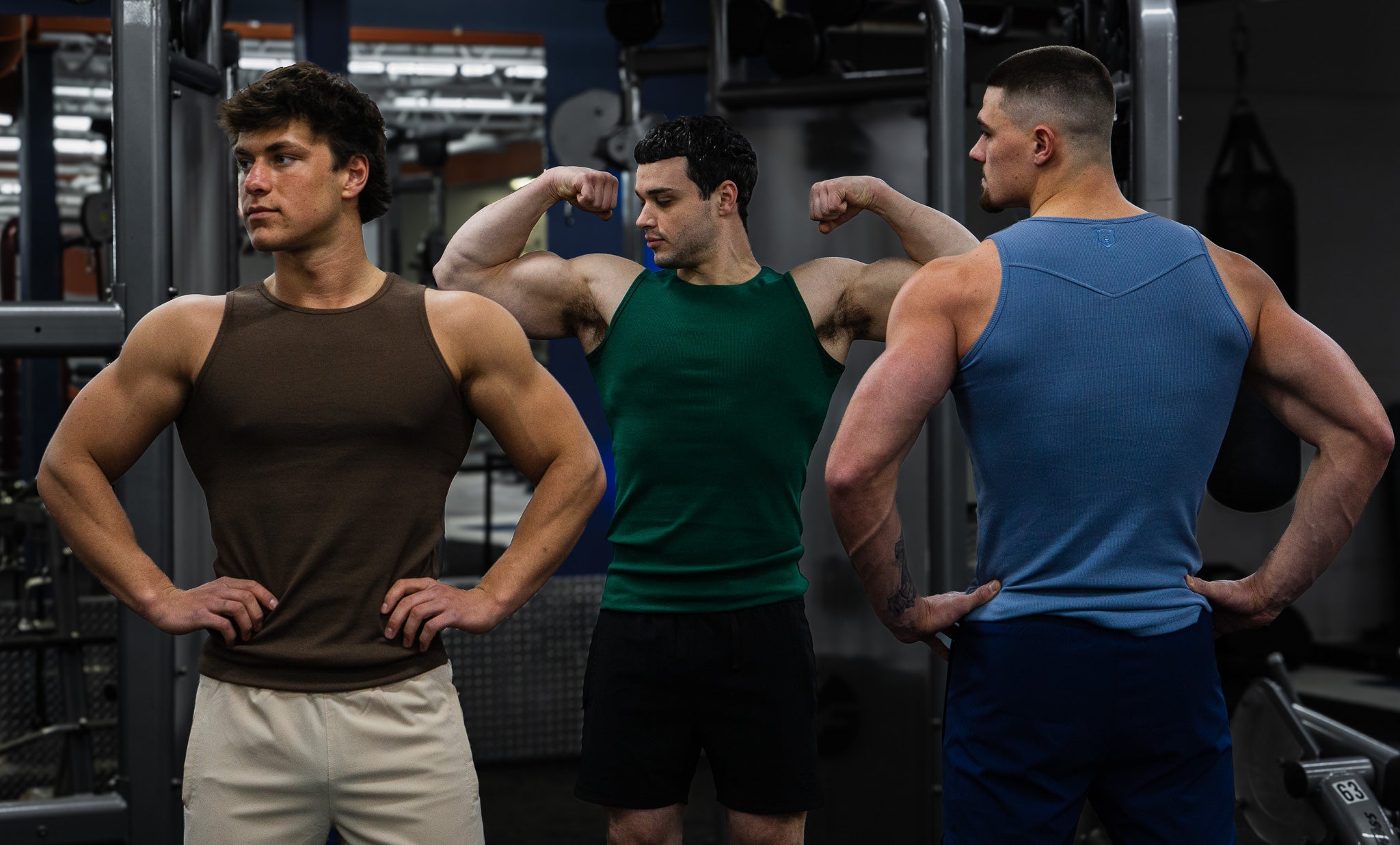
Ribbed tanks can also pull double duty, especially when layered. On their own, they are sharp in warm weather or during training. Under an open shirt, zip layer, or lightweight jacket, they shift into everyday territory pretty easily.
Shorts are a little more situational. They are perfect if your lifestyle leans casual and warm-weather, but not every training short is made for all-day wear. A pair with a clean waistband, simple finish, and less flashy detailing will always be easier to style.
That is why collection-based wardrobes make sense. Pieces designed for both movement and downtime create fewer dead ends in your closet. NORDNFIT builds around that idea, with training-ready staples and rest-day pieces that share the same clean visual language.
Style matters more than people admit
A big reason some gym clothes pass as everyday wear and others do not comes down to styling. Even the best piece can look too gym-specific if everything around it feels performance-only.
The easiest move is contrast. Pair a fitted training tee with cleaner pants. Wear technical shorts with a heavyweight hoodie or an oversized crew. Match a ribbed tank with a cap and minimal sneakers instead of running shoes built for race day. The goal is balance.
Color coordination helps too. Monochrome or tonal fits usually make activewear feel more elevated. Black on black is obvious for a reason. Gray with cream works. Navy with white stays clean. Loud color blocking is harder to wear outside the gym unless that is already your style.
Accessories can shift the whole look fast. A structured cap, simple socks, a clean crossbody bag, or a stainless steel bottle can make your outfit feel considered without trying too hard. Small details. Better finish.
What to avoid if you want true all-day wear
Some features are built strictly for training, and that is fine. They just do not always transition well.
Overly shiny fabrics tend to feel too performance-forward for everyday use. The same goes for extreme compression, oversized logos, and heavy contrast panels. Lots of zipper pockets and visible ventilation zones can also push a piece out of casual territory.
You should also be honest about your day. If you work in a setting where polished casual means something more refined, gym clothes may only take you part of the way. In that case, everyday activewear works best in bottoms, outer layers, and simpler tops rather than head-to-toe training looks.
It depends on your routine. If your normal day includes class, errands, meetings in relaxed spaces, coffee runs, and a workout, versatile activewear makes a lot of sense. If your environment skews formal, the same pieces may work better before and after hours.
How to shop smarter for everyday activewear
The best approach is not buying more gym clothes. It is buying fewer pieces that do more.
Look at each item and ask a simple question: would I wear this if I were not working out today? If the answer is no, it may still be worth owning for training. But it is probably not one of your everyday essentials.
Prioritize pieces that can anchor multiple outfits. A sharp training tee in a neutral color will outperform three loud tops you only wear once in a while. The same goes for tapered pants, refined shorts, and tanks with a clean finish. When the design is minimal, the repeat wear goes up.
Also pay attention to care. If a fabric snags easily, stretches out fast, or needs special treatment, it becomes harder to treat as a daily staple. Everyday wear has to be low friction. Wash. Dry. Wear again.
Wear what keeps up
The best gym clothes for everyday wear earn their place because they make your life simpler. They handle movement, hold their shape, and still look right when the workout ends. No costume change required.
That is the sweet spot - gear that performs when you push it and stays sharp when you slow down. Buy for that feeling, and your closet starts working harder for you.