
10 Best Training Shorts for Men
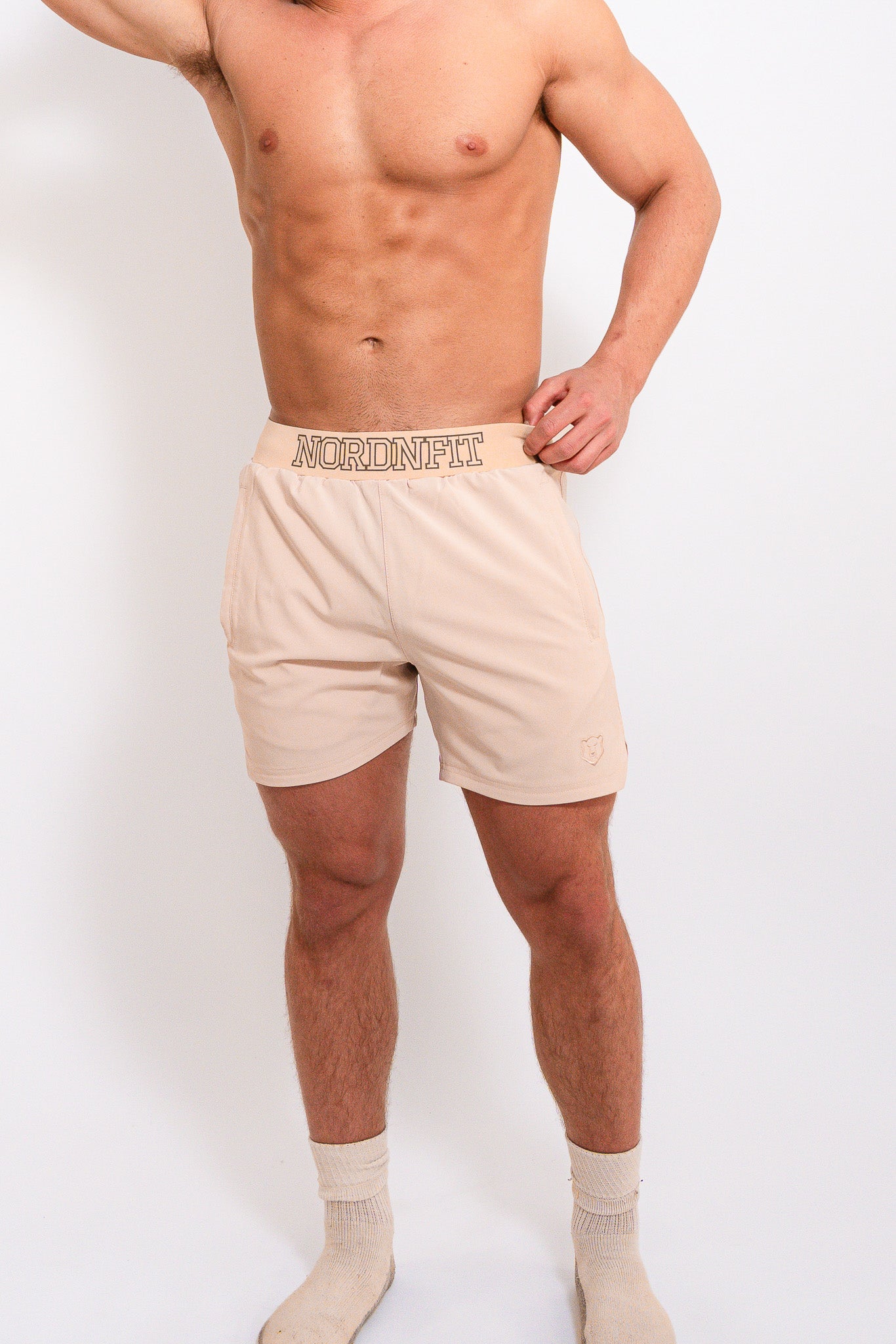
That moment when your shorts start fighting your workout is usually when you realize they were never the right pair to begin with. They ride up on squats, cling when you sweat, or feel fine in the gym but look off the second you step outside. Good training shorts should do more than survive a session. They should move right, fit clean, and still look sharp after.
What makes the best training shorts for men?
The best pair usually gets the basics right without asking for attention. You want shorts that stay comfortable through lifts, intervals, walks, and everything that happens before and after. That means fabric with real stretch, a waistband that stays put, and a cut that gives you room without looking oversized.
This is where a lot of shorts miss. Some lean too technical and feel like they only belong in a workout class. Others look good standing still but fall apart once you start moving. The best training shorts for men sit in the middle. Performance matters. Style still matters.
If you train a few times a week and also want one pair you can wear for coffee runs, errands, or a laid-back afternoon, versatility is not a bonus. It is the whole point.
Start with the fabric
Fabric decides almost everything. If the material feels heavy, stiff, or rough, you will notice it fast. For training, the sweet spot is usually a lightweight performance fabric with enough stretch to follow movement naturally. Soft helps too. Nobody wants that scratchy, plastic feel that shows up in cheaper gym gear.
Moisture handling matters, but context matters more. If your workouts are mostly lifting, walking, and moderate cardio, you do not need the most aggressively technical fabric on the market. You need something breathable and quick-drying enough to keep you comfortable without feeling overbuilt.
If you do a lot of HIIT, outdoor runs, or long sessions in the heat, then a lighter and more breathable short becomes more important. For slower strength days, durability and shape retention may matter more than ultra-light construction. It depends on how you train.
Fit can make or break the short
A good fit should feel easy, not sloppy. Too tight and every step feels restricted. Too loose and the shorts start to swing around, bunch up, or lose shape. Most men will do best with an athletic fit that leaves room through the thighs while keeping a clean line at the waist and hem.
Waistbands are often overlooked, but they are a big part of comfort. A waistband should sit flat, stay secure, and not dig in when you bend or sit. Drawstrings help, especially if your waist size shifts depending on the cut or if you like a locked-in feel during faster sessions.
Then there is length. This one is personal, but it also changes how the shorts perform.
5-inch shorts
These feel more modern, lighter, and more mobile. They are great for leg day, running, and guys who want a sharper athletic look. If you are shorter or more style-focused, 5-inch shorts often look cleaner.
7-inch shorts
This is the safest all-around option. You get coverage, comfort, and enough mobility for almost every kind of training. For a lot of men, this is the best starting point.
9-inch shorts
Longer shorts can work if you prefer more coverage or a more relaxed fit, but they can feel less agile during dynamic movement. On some builds, they also read more casual than athletic.
The best training shorts for men are built for how you move
Not every workout asks for the same short. That is why the best pair for one guy can feel wrong for another.
If your week is built around strength training, look for shorts with stretch and structure. You want freedom through squats, hinges, and lunges, but you also want fabric that holds its shape and does not look worn after a few washes.
If you mix in circuits, sprints, or high-output classes, lighter weight and airflow matter more. You will notice extra bulk when the pace picks up. In that case, less is usually better.
If your shorts need to carry you through a full day, style becomes part of performance. Clean lines, minimal branding, and an easy fit make a difference. The short should work in the gym, but it should also feel right with a tee, hoodie, or overshirt later on.
That crossover appeal is what separates a decent gym short from a pair you actually keep reaching for.
Features worth paying for
Some details are useful. Some are just noise.
Pockets matter if you live in your training gear. Deep side pockets are practical for everyday wear, but they should not bounce around or flare out during movement. Zipper pockets can be great for keys and cards, especially if you train on the go, though they can add a little bulk.
Liners are another personal call. Some men like the extra support and built-in feel. Others would rather wear their own compression shorts or skip the extra layer entirely. Neither is better across the board. If you do mixed training and daily wear, unlined shorts often feel more versatile.
Flat seams, four-way stretch, and quick-dry fabric are all genuinely useful when they are done well. They make a short feel smoother and easier from the first wear. But flashy language does not always equal better performance. The real test is simple. Does the short stay comfortable when you move, sweat, sit, and repeat?
Style still matters
A lot of men shop for performance first and regret the look later. That is how you end up with shorts that technically work but never leave the gym bag.
The best training shorts for men should look clean enough to wear outside the gym without feeling like you forgot to change. That usually means minimalist design, solid colors, and a fit that is athletic without trying too hard. Loud graphics and overly complicated details can date fast.
This is where modern activewear has shifted. Guys want pieces that move well and still look intentional in everyday life. Not just workout gear. Part of the uniform.
That is also why a premium pair often feels worth it. Better fabric, better drape, better recovery after washing. You can see the difference, and you can definitely feel it after a long day.
How to spot a pair that will actually last
Training shorts get exposed to a lot. Sweat, repeated washing, stretching, sitting, lifting, and daily wear all add up. Durability is not only about thick fabric. In fact, shorts that are too heavy can feel worse while still wearing out in the wrong places.
What you want is balance. Lightweight enough to move. Strong enough to keep shape. The waistband should not twist. The fabric should not go shiny too fast. The hem should stay clean. If a short starts sagging, pilling, or losing structure after a short stretch of wear, it was never built for regular rotation.
This matters even more if you are trying to own fewer, better pieces. A short that works three times a week and still looks good off the clock is more valuable than a drawer full of average options.
One pair or a rotation?
If you train often, a small rotation makes sense. One pair for harder sessions, one for lighter training, one that leans more lifestyle. But if you are buying just one to start, go for the most versatile option.
That usually means a 5-inch or 7-inch short with stretch fabric, a secure waistband, clean pockets, and a streamlined look. Dark neutrals tend to go furthest because they pair easily and stay looking fresh longer.
If your goal is maximum use, avoid buying for one overly specific scenario. A pair made only for race day or only for heavy lifting may not get enough real wear. The best value usually comes from the pair that handles both movement and the rest of your day without needing a second thought.
Brands that understand this balance tend to get it right. NORDNFIT, for example, builds around that exact overlap - performance, comfort, and a clean look you can wear beyond the workout.
What to look for before you buy
Before you add a pair to your cart, picture where you will wear it most. If the answer is only the gym floor, you can go more technical. If the answer includes weekend plans, errands, or travel, versatility should lead.
Check the fabric blend. Look at the inseam. Think about whether you want lined or unlined. Be honest about fit. If you are constantly adjusting your shorts during a workout, they are not the right pair, no matter how good the product page looked.
The best training shorts are the ones you stop thinking about once they are on. No pulling. No bunching. No weird stiffness. Just a clean fit, easy movement, and enough polish to wear them wherever the day goes next.
Buy for comfort. Keep style in the equation. The right pair should do both, and once you find it, getting dressed gets a lot easier.
Read more
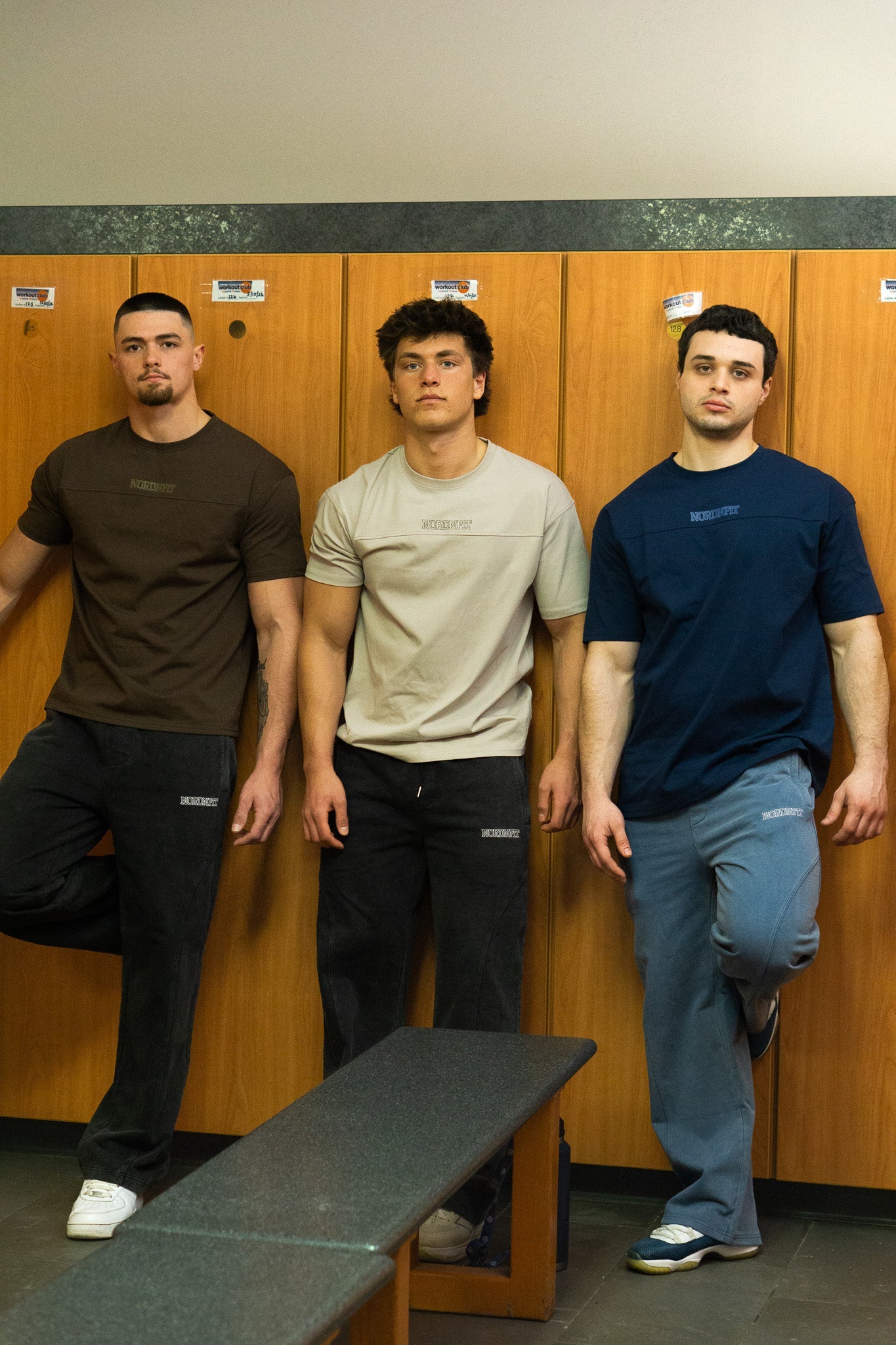
Find workout clothes that look casual without losing performance. Learn what fabrics, fits, and details make activewear feel easy every day.
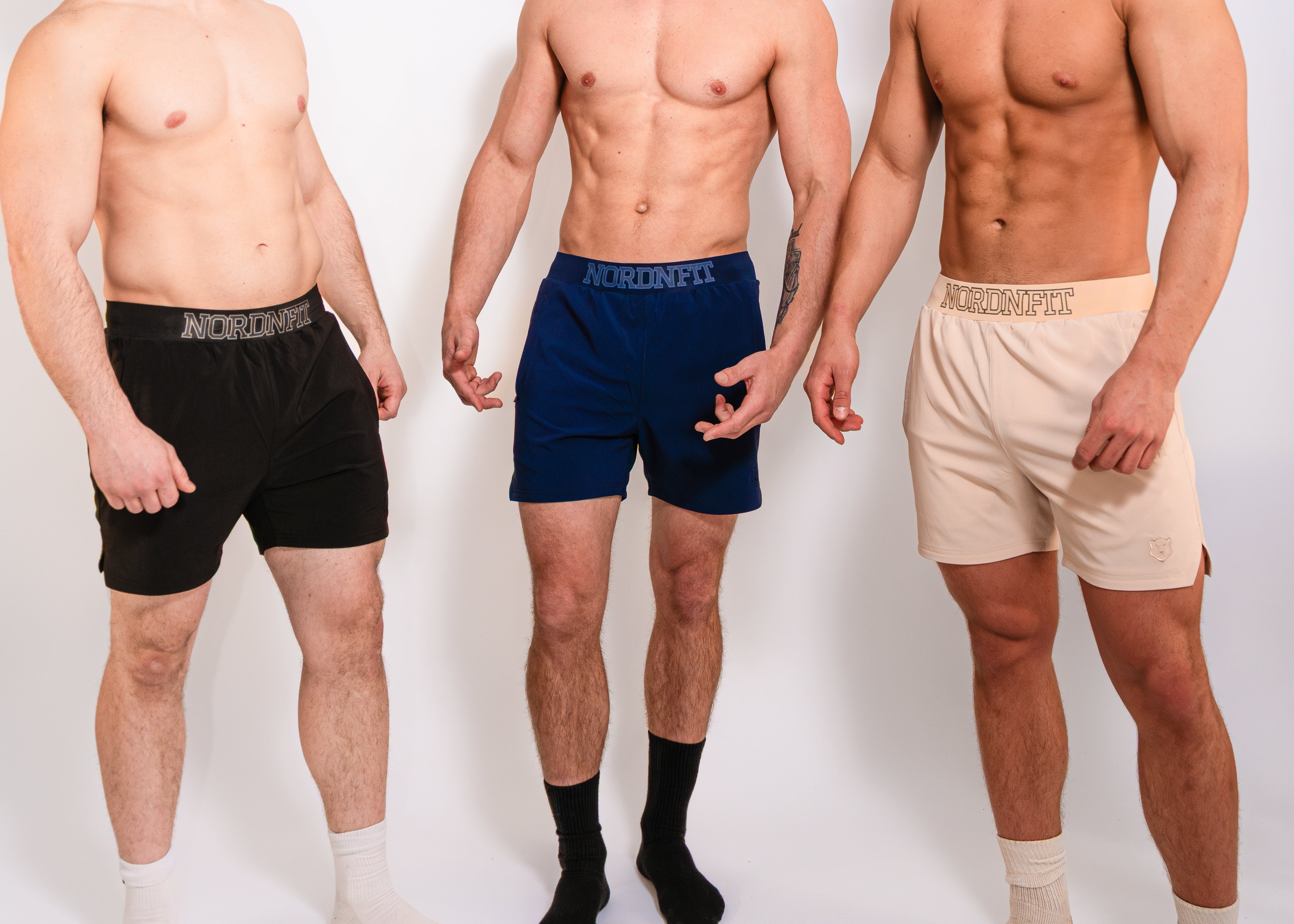
Wondering how should workout shorts fit? Learn the right waist, length, liner, and leg opening for comfort, movement, and everyday wear.