
How to Build a Training Wardrobe That Works
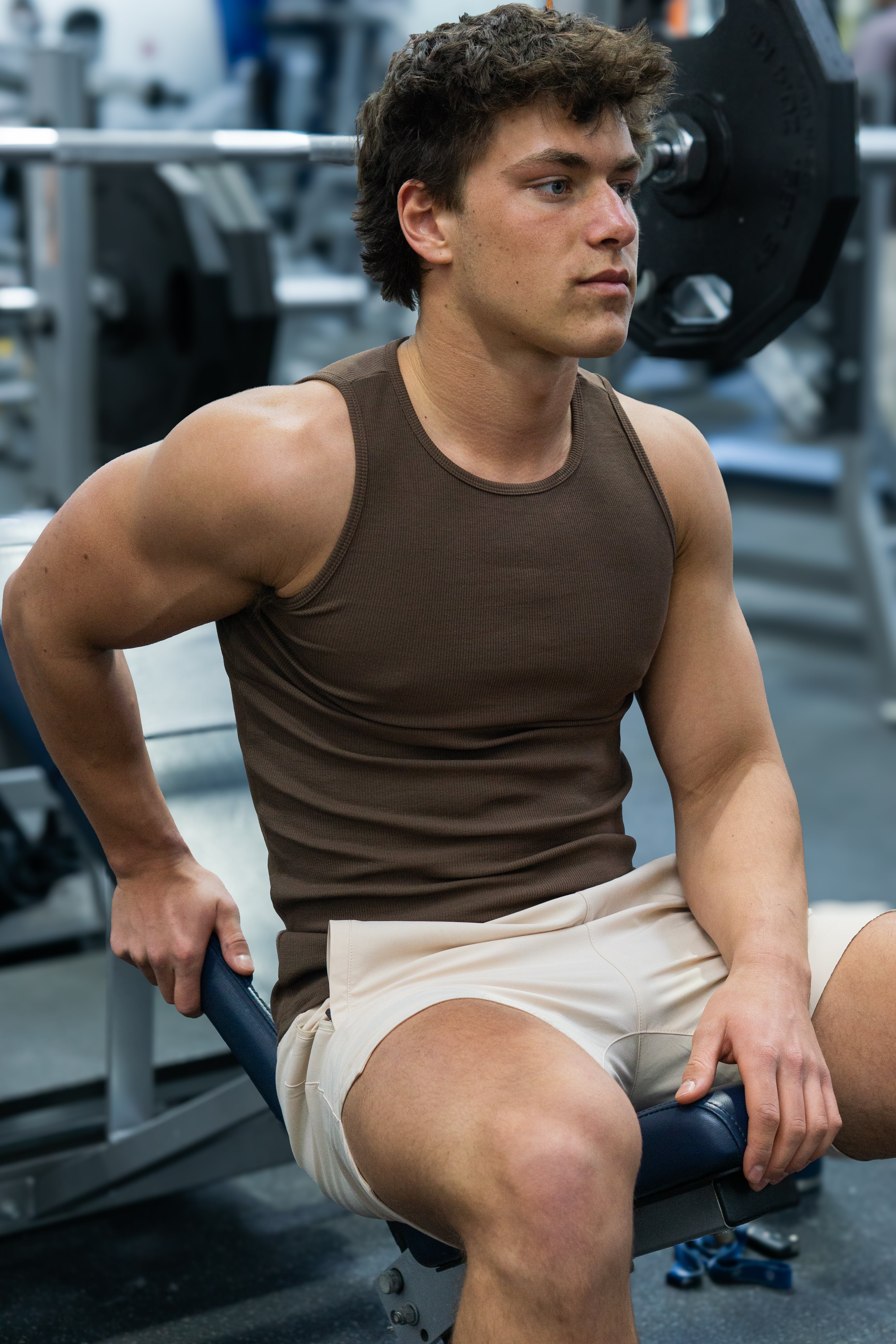
You do not need a massive rotation to train well. You need the right rotation. If you’re figuring out how to build a training wardrobe, start with this idea: every piece should earn its place. It should feel good in motion, hold up through repeat wear, and still look sharp when your workout is over.
That matters because most people don’t live in neat categories. You train, grab coffee, run errands, maybe meet friends, then head home. Your wardrobe has to move the same way you do. Clean lines matter. Comfort matters. So does durability. The goal is not more clothes. The goal is less guesswork.
How to build a training wardrobe without overbuying
The easiest mistake is buying for your fantasy routine instead of your real one. If you lift four days a week and take long walks on rest days, your wardrobe should reflect that. If you mix strength work with short runs, that changes the fabrics and fits you’ll want most.
Start with your week. Think about how often you train, what kind of sessions you do, and whether you want pieces that can carry into the rest of your day. That last part matters more than people admit. A training wardrobe that only works inside the gym usually ends up feeling limited fast.
A strong setup usually begins with a tight core: training tops, shorts, a few fitted tanks or tees, and one or two everyday pieces that still feel athletic. For most people, that means buying fewer categories and better versions within them.
Build around your core pieces
A training wardrobe works best when the foundation is simple. You want pieces you can repeat without getting bored and without feeling underdressed outside the gym.
Training tops
Your tops do a lot of heavy lifting. They need stretch, breathability, and enough structure to keep their shape after washing. A clean training tee is usually the first essential. It works for lifting, conditioning, commuting, and recovery days. If you like a closer fit, ribbed tanks or fitted tanks add another option that feels more styled without trying too hard.
The key is balance. Oversized can feel relaxed, but too much fabric gets in the way during movement. Super tight can look sharp, but not everyone wants that for every session. Most people do best with a fit that skims the body and moves easily.
Shorts and bottoms
If you train hard, shorts matter more than you think. A good pair should stay put, allow a full range of motion, and not feel flimsy after a few wears. If you lift, train functionally, or do mixed workouts, prioritize stretch and a cut that doesn’t restrict your stride or squat depth.
For beyond the gym, everyday pants with athletic comfort can close a major gap in your wardrobe. They give you something polished enough for the rest of the day without giving up comfort. That is where versatility starts to pay off.
Layers and rest-day pieces
A complete wardrobe includes what happens before and after training. That could be a cap, an easy outer layer, or relaxed everyday staples that still feel aligned with the rest of your look. These pieces are not extras if they help your wardrobe feel consistent.
The best training wardrobes do not split your identity in half. They support performance, but they still look like you.
Choose fabric before you choose color
A lot of people shop visually first. That makes sense. But if you want pieces that actually perform, fabric comes before color.
For training, look for material with enough stretch to move freely and enough recovery to hold its shape. Softness matters too. If something feels scratchy or stiff in the fitting room, it will not improve during a hard session. Moisture management is useful, but it should not come at the cost of comfort.
This is where trade-offs come in. Super lightweight fabric can feel great for cardio, but it may not give you the structure you want for everyday wear. Heavier fabric can look more premium and drape better, but it may run warm if you train in heat. There is no single perfect fabric for every person. There is the right mix for your routine.
If you want your wardrobe to do double duty, aim for pieces that feel technical without looking overly technical. Clean finishes. Minimal branding. Fabric with performance, but styling that still works off the clock.
Keep the color palette tight
This is the part that saves money and makes getting dressed easier. Pick a compact palette and repeat it.
Black, white, gray, navy, and earth tones are strong anchors because they mix easily and keep the overall look clean. From there, add one or two colors you actually enjoy wearing. Not the color you think you should wear. The one you reach for without thinking.
A tight palette makes a small wardrobe feel bigger. Three tops and three bottoms can create a lot of combinations when everything works together. It also helps if you want a more elevated look. Minimal color choices tend to feel more intentional.
If your style leans bold, you do not have to strip all personality out of your closet. Just keep the louder pieces limited and let the staples do the work.
Fit is performance
People talk about performance like it lives only in fabric tech. It does not. Fit changes everything.
A top that rides up, shorts that pinch, or pants that lose shape will distract you no matter how advanced the material is. The right fit lets you move without adjusting your clothes every few minutes. It also changes how confident you feel walking into a gym, studio, or class.
When building your wardrobe, think in terms of use. You might want one fit for lifting, another for rest days, and another for general everyday wear. That is normal. Not every piece needs to fit exactly the same way. What matters is that each one feels intentional.
If a piece almost works, it probably does not. The best items are the ones you grab automatically because they always feel right.
Buy in phases, not all at once
If you are serious about how to build a training wardrobe, resist the urge to do one huge haul. Buying everything at once sounds efficient, but it usually leads to overlap and regret.
Start with the pieces you will wear most over the next two weeks. That might be two training tops, two shorts, one tank, and one pair of everyday pants. Wear them. Wash them. Notice what you want more of and what you avoid.
This approach gives you better data. Maybe you realize you prefer a slightly shorter inseam. Maybe tanks work better than tees in your warm gym. Maybe you need more everyday crossover pieces than dedicated training gear. Small adjustments early save you from a closet full of almost-right choices.
A phased build also helps you invest in quality. A few strong staples beat a pile of disposable gear every time.
Make room for your real lifestyle
A training wardrobe should match your training, but it should also match your life. If you work remotely, your everyday needs may be relaxed. If you are out all day, you may need more polished crossover pieces. If you train five times a week, quantity matters more. If you train twice a week but wear active clothes constantly, versatility matters more.
This is why the best wardrobes are personal, not copied. Someone else’s setup might look good online and still be wrong for you.
For a lot of people, the sweet spot is performance gear that can pass as everyday wear without feeling like a compromise. That is where modern athletic apparel stands out. Pieces that feel soft, stretchy, and durable, while keeping the look clean, usually get the most repeat wear. If that is your lane, a brand like NORDNFIT makes sense because the design already lives in that space between training and the rest of your day.
What to avoid
The fastest way to ruin a training wardrobe is filling it with single-use pieces. Neon tops you only wear once in a while. Shorts that only work for one specific workout. Trend-driven items that stop feeling like you after a month.
Also avoid buying everything too technical if your actual goal is versatility. There is a place for sport-specific gear, especially if you run long distances or train in specialized settings. But most people need more overlap than specialization.
And do not ignore care. Even the best clothes lose their edge if you wash them carelessly or over-dry them. Longevity is part of value.
A good training wardrobe should make your routine easier. It should reduce decision fatigue, not create more of it. Start simple. Choose pieces that move well, wear well, and still look right when the session ends. Then build from there.
If your clothes make you feel ready the second you put them on, you are already on the right track.
Läs mer
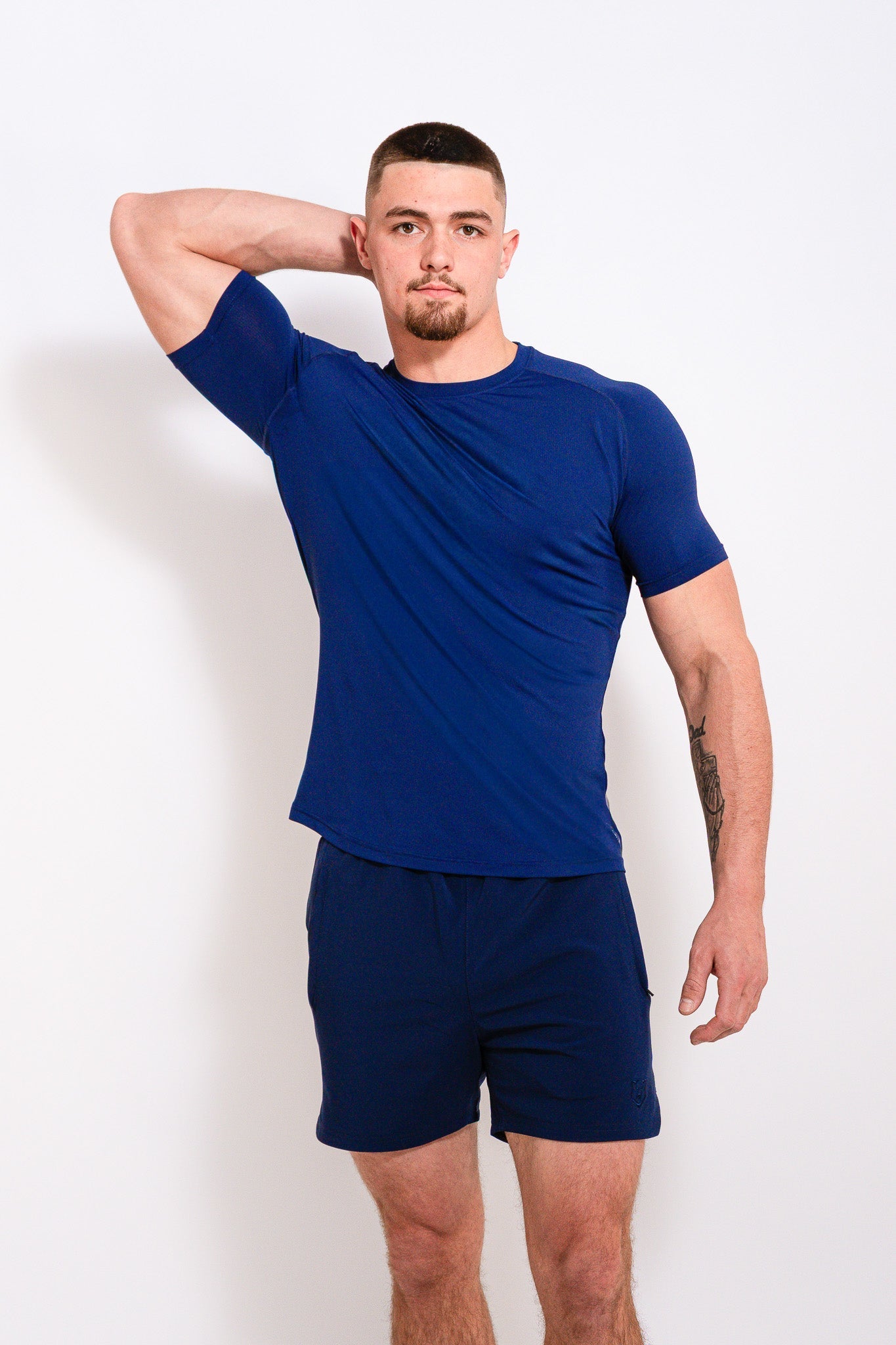
Breathable training shirts keep sweat, heat, and distraction in check. Learn what to look for in fit, fabric, and performance for every session.
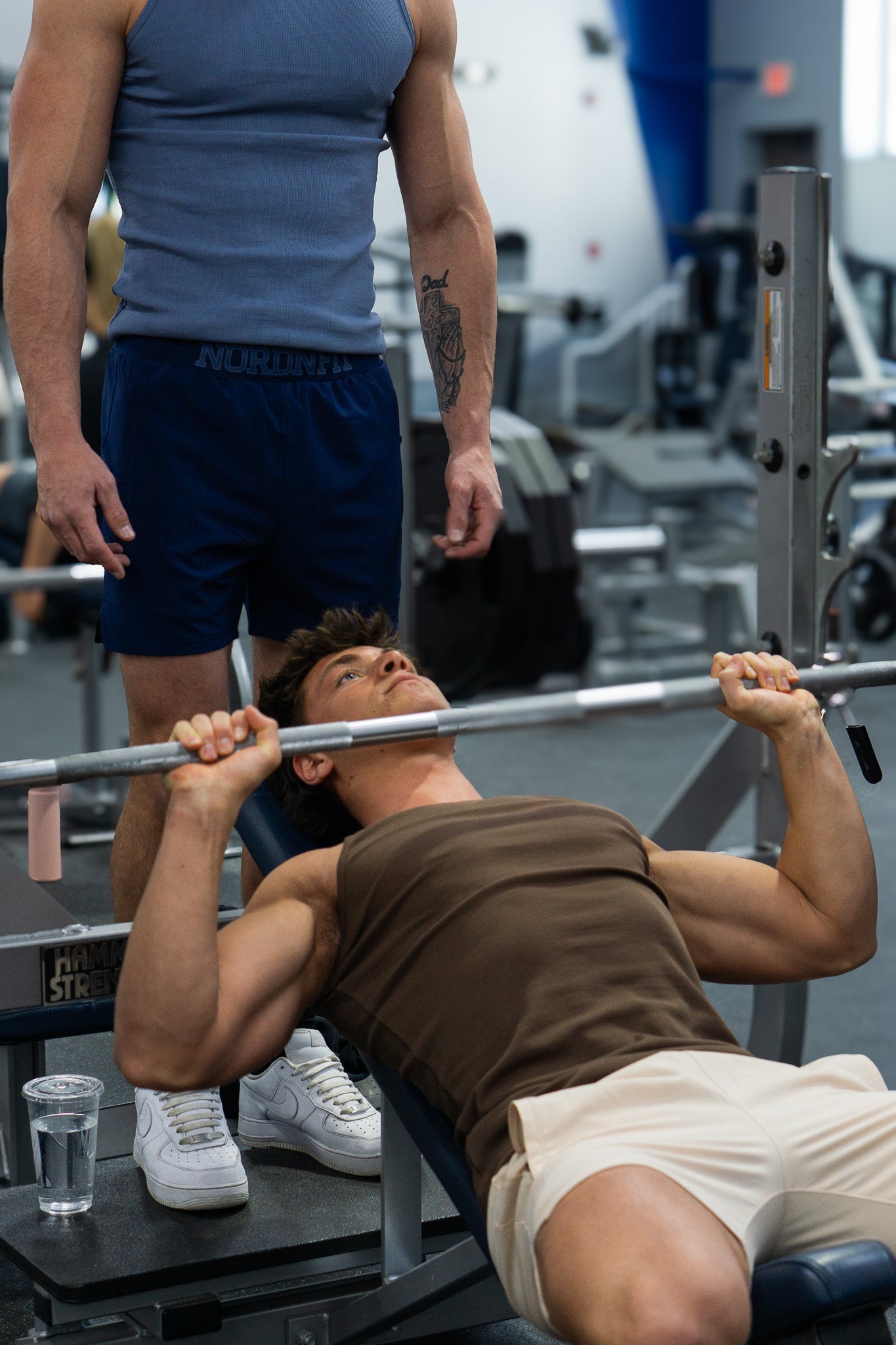
A guide to versatile gym clothing that looks sharp, moves easily, and holds up from training sessions to errands, recovery days, and more.