
How Workout Shorts Should Actually Fit
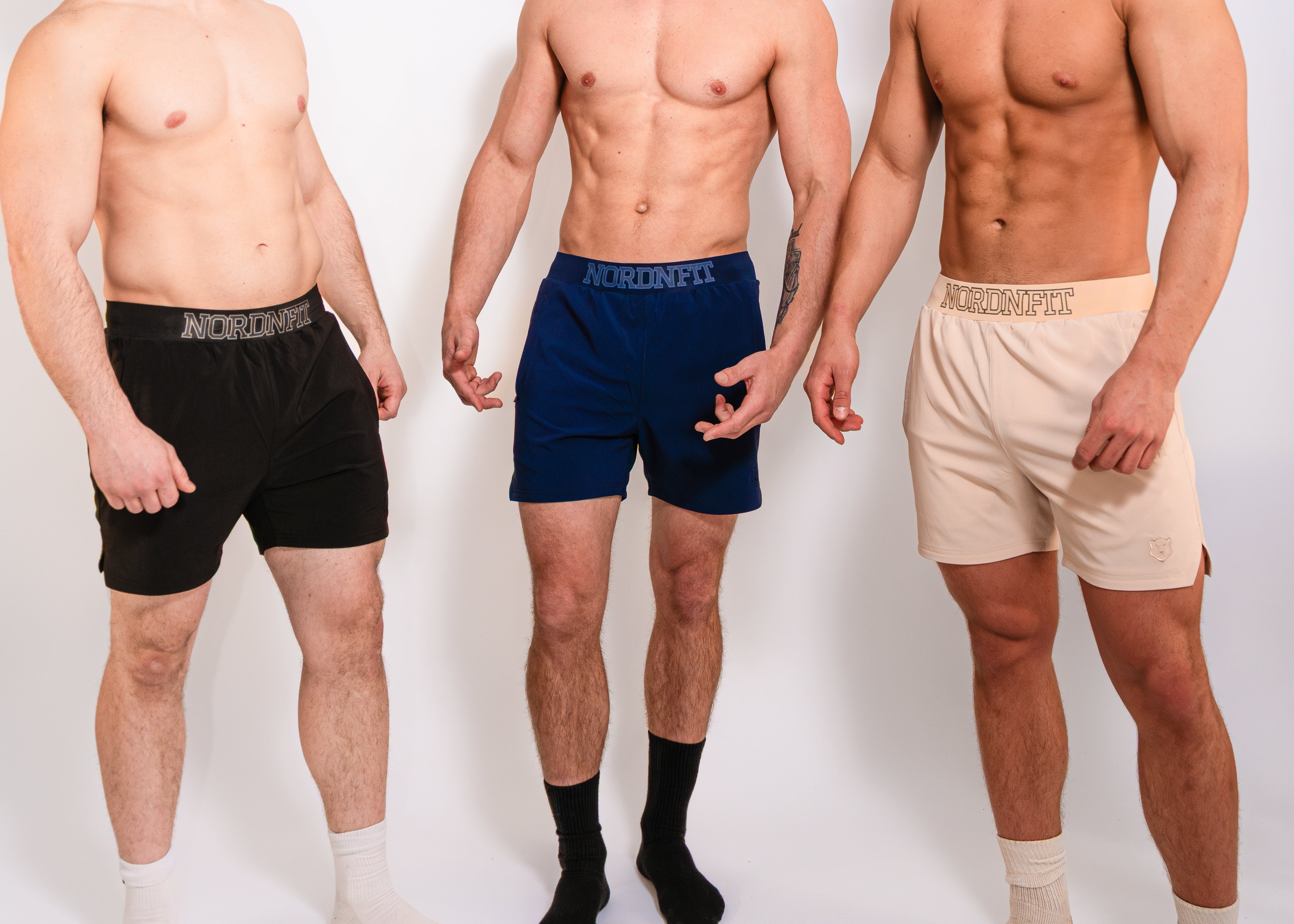
Bad workout shorts tell on themselves fast. They slide down during squats, pinch at the thighs, bunch when you sit, or somehow feel fine standing still and terrible the second you start moving.
The right pair should do the opposite. You should be able to train, walk, stretch, and head out after without thinking about them. That is really the standard. If you keep adjusting your shorts, the fit is off.
How should workout shorts fit?
Workout shorts should fit close enough to stay in place and move with you, but never so tight that they restrict your stride, pull across the hips, or dig into the waist. You want a clean fit through the waist and seat, some room through the thighs, and a length that matches how you train.
That sounds simple, but fit changes depending on your body shape, your workout, and whether you want your shorts to feel strictly performance-focused or more wearable all day. A running short, a training short, and a lounge-to-gym short should not all fit exactly the same.
Start with the waist
If the waist is wrong, nothing else matters.
Your shorts should sit securely at your natural waist or just below it, depending on the rise and how you like to wear them. The waistband should feel firm, not aggressive. You should be able to breathe, brace your core, and bend without feeling squeezed.
A good test is simple. Put them on, walk around, sit down, then do a few bodyweight squats. If the waistband rolls, slides, or digs in, the fit is not right. If you need to crank the drawstring as tight as possible just to keep them up, they are probably too big. If the waistband leaves deep marks or feels sharp after ten minutes, they are too small.
Stretch matters here too. A performance short with some give can fit more cleanly without feeling restrictive. A short with less stretch needs a little more forgiveness in the waist and hips.
The seat and hips should look clean, not stressed
This is where a lot of people misread fit. Some assume tighter means better for training. Usually, it just means less comfortable.
Your shorts should skim the seat and hips without pulling. If you see horizontal strain lines across the front or back, that is a sign the fabric is working too hard. If the pockets flare out or the side seams twist forward, the fit may be too tight through the hips.
On the other side, too much extra fabric can look sloppy and feel worse once you start moving. Baggy material around the seat tends to shift, bunch, and catch during lunges or machine work. You want structure without stiffness. Clean lines. Easy movement.
How much room should workout shorts have in the thighs?
More than you think, but not so much that they flap around.
The leg opening should give your thighs enough space to move freely through squats, lunges, jumps, and steps without riding up hard or gripping the quad. A short that is too slim through the thigh will usually creep upward with every rep. A short that is too wide can feel less secure and less polished.
This is one of those it-depends areas. If you have more muscular quads or glutes, you may need to size for the thigh first, then use the waistband or drawcord to fine-tune the waist. If your build is leaner, you might prefer a more tailored leg opening for a cleaner look.
The best fit is the one that keeps its shape while you move. Not painted on. Not parachute loose.
Length changes the whole feel
Short length is not just about style. It affects mobility, coverage, and how versatile the shorts feel outside the gym.
A 5-inch inseam usually feels more athletic and more mobile. It is a go-to for leg day, running, HIIT, and anyone who wants less fabric in motion. It shows more quad and gives a sportier look.
A 7-inch inseam is the middle ground. For a lot of people, this is the easiest everyday training length. It gives enough coverage for general gym sessions, walks, errands, and casual wear without looking too long or too short.
A 9-inch inseam can work well if you want more coverage or a more relaxed look, but it can feel a little less free for explosive training depending on your height and build. On shorter frames, longer shorts can visually cut the leg line and feel heavier.
There is no universal best inseam. The right one depends on your height, your proportions, and how you train. If you want one pair that can handle workouts and daily wear, the sweet spot is usually somewhere in the middle.
Lined vs unlined changes fit too
A liner adds support and can make a short feel more secure, especially for running or high-movement sessions. But it also changes how the whole short sits on the body.
If the liner is too tight, the short may technically fit but still feel restrictive. You will notice it in the inner thigh and through the glutes. If the outer short fits well but the liner pulls, size up or switch styles.
Unlined shorts usually give a freer, more relaxed feel. They are often preferred for strength training, daily wear, or anyone who wants to choose their own base layer. The trade-off is that the fit needs to be especially dialed in through the waist and seat, because there is less built-in support doing the work.
Your workout should decide the fit
This is where people buy the wrong shorts for the right reasons. They choose based on looks alone, then wonder why the fit feels off once they actually train.
For lifting, you want stability at the waist and enough room in the hips and thighs for depth. The fabric should move with you without catching at the bottom of a squat or tightening up in a hinge.
For running, lighter fabric and less excess material usually feels better. Shorts that are too heavy or too loose can shift and distract. A shorter inseam often works well here, especially if stride freedom matters.
For mixed training, think balance. You want enough polish to wear them beyond the gym, enough stretch for movement, and enough structure that they still look sharp after hours of wear.
That blend is what most people are really after. Performance that does not look overly technical. Comfort that still feels put together.
Signs your workout shorts fit right
You should be able to forget about them.
That means the waistband stays put without constant tightening. The fabric lies clean across the hips and seat. The thighs have room to move without excess bulk. The hem does not trap your stride or ride up every few steps. You can train, sit, walk, and go through the rest of your day without feeling the need to change immediately.
Good shorts also hold their shape. They should not look great for the first twenty minutes and then stretch out, sag, or twist. Fit is not just how they feel in the mirror. It is how they perform after movement.
Signs the fit is off
If your shorts slide down when your phone is in the pocket, they are likely too loose at the waist. If they pinch when you sit or leave deep pressure marks, they are too tight. If they pull across the front during lunges, there is not enough room through the hips or thighs.
Pay attention to ride-up too. A little movement is normal, especially with shorter inseams. Constant bunching is not. That usually means the thigh opening is too narrow, the fabric lacks stretch, or the overall cut is fighting your build.
And if you only like how the shorts look when you are standing still, keep looking. Real fit has to work in motion.
Style still matters
Workout shorts are not just gym gear anymore. Most people want a pair they can wear to train, grab coffee in, and keep on for the rest of the day. So yes, style counts.
That means fit should look intentional. Not skin-tight. Not oversized for the sake of trend. Clean, athletic, easy. A modern short should feel performance-ready but still sharp enough for everyday movement.
That is why minimalist design works so well when the fit is right. You notice the silhouette, the way it sits, and how naturally it moves. No extra noise needed. At NORDNFIT, that balance matters. Built for training. Easy everywhere else.
The best fit is the one that keeps up
If you are asking how should workout shorts fit, the answer is less about chasing one exact silhouette and more about finding the pair that feels secure, moves freely, and still looks clean after a full day. Shorts should support the way you move, not ask for constant adjustment.
When the fit is right, you can feel it fast. No pulling. No slipping. No second-guessing. Just comfort, confidence, and one less thing to think about when you are in motion.
Läs mer
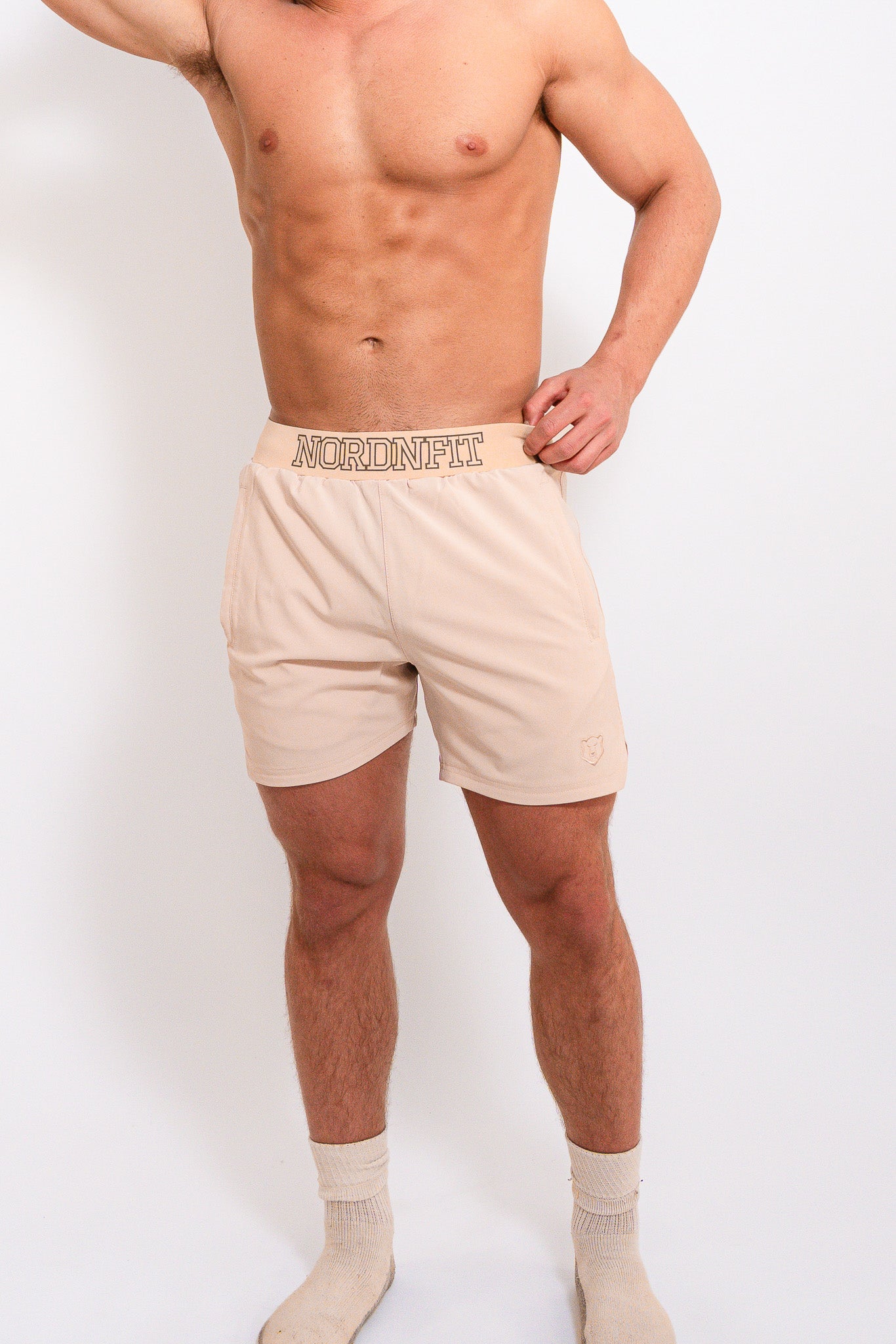
Find the best training shorts for men with the right fit, fabric, and length for lifting, cardio, and daily wear - comfort that keeps up.
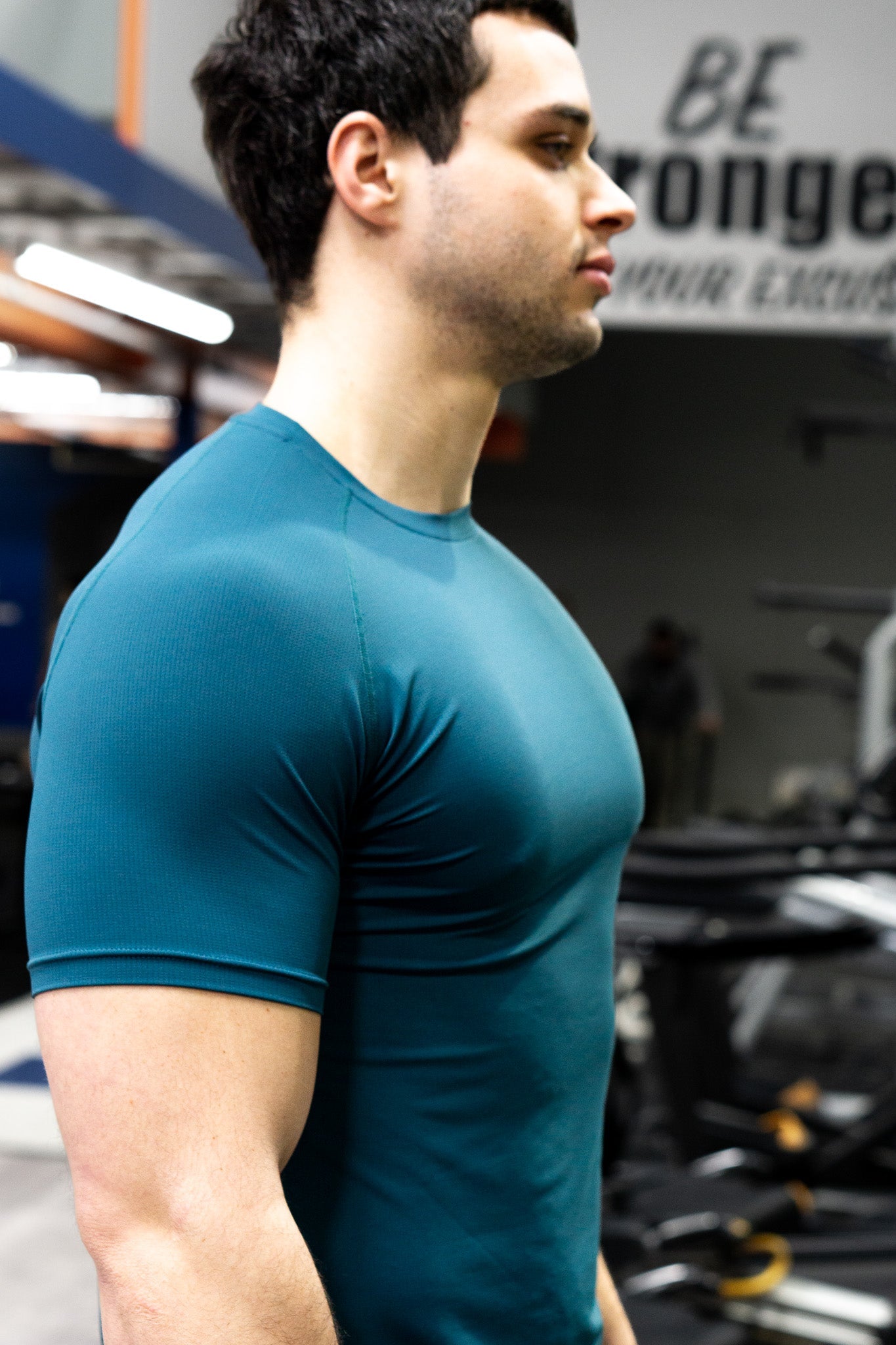
Find the right stretch workout shirts for men with fit, fabric, breathability, and style tips built for training and everyday wear.